
Unpredictability is a core feature of survival and operation in modern-day defense strategies. Increased predictability in movements reveals vulnerabilities that adversaries can detect and exploit. This, therefore, heightens exposure to the risk of detection and attack. Fundamentally, it becomes vital to understand why and how predictability occurs and how such predictability leads to increased vulnerability.
Precursors to movement predictability arise from internally and externally triggered events, which all tie into human psychology and behaviorism as drivers. For insights into how advanced technologies address these challenges, visit Endoacustica’s revolutionary security innovations.
What Makes Movements Predictable in modern-day defense strategies?
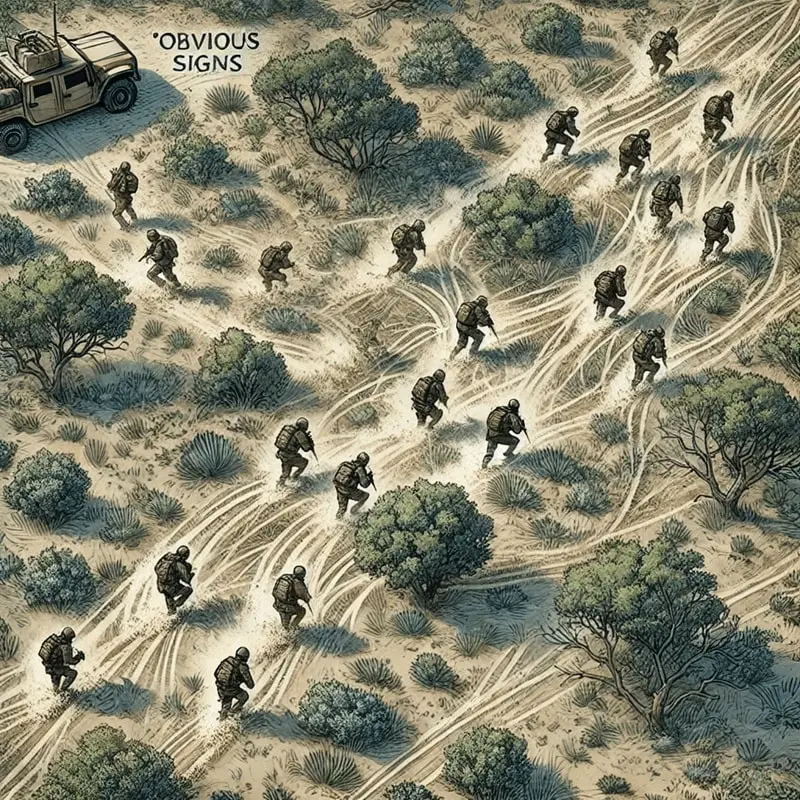
Predictable movements result from repeating behavior, time, and route patterns that an observant adversary can identify and foresee, highlighting the importance of implementing effective defense strategies.
- Fixed Timing:
- Repeatedly conducting activities at the same time of day, such as morning supply runs, evening patrols, or routine rotations.
- Routine logistics or deployments, based on schedules, make it an almost predictable timeline for the observing enemies.
- Repeated Routes:
- Using the same roads, trails, or pathways for movement or supply chains time after time.
- Favoring particular landmarks or waypoints without variation.
- Standardized Procedures:
- Always the same stop at each checkpoint or rest point.
- Adheres to a rigid routine or sequence, such as unloading supplies consistently in the same manner each time.
- Obvious Signs:
- Visible signs of movement may include dust clouds, vehicle lights, or tracks that result from the constant use of the same paths.
- Audible signals, such as the noise of an engine or comms chatter over the same frequencies.
- Routine Behaviors:
- Repeating patterns in personal actions, such as gathering in the exact locations or using the same cover.
- Predictable postures or reactions to environmental changes, such as always seeking the nearest available cover.
Why does predictability increase vulnerability in defense strategies?
Predictable movements make it much easier for adversaries to locate and plan attacks. These vulnerabilities emanate from several interrelated factors that include:
1. Easier Surveillance
When a ritual pattern emerges, these are observable and can be documented by adversaries over time. Reconnaissance drones, human spotters, or ground-based trackers use repetitive actions to:
- Identify key movement times and routes.
- Predict where forces will appear and when they will be most exposed.
- For more insights into effective drone surveillance tactics and countermeasures, visit Endoacustica’s FPV Drone Tactics.
2. Simplified Targeting
Predictable movements allow enemies to pre-position weapons, drones, or ambushes. Example:
- The exact route being taken regularly allows for the placing of their improvised explosive devices (IEDs) along the path.
- If the time of movement is known, then targeting can be more precise, whether by artillery or drone strikes.
3. Reduced Tactical Surprise
Surprise is an essential aspect of any conflict. Predictable moves:
- Eliminate the element of surprise for your side.
- Allow the enemy to prepare countermeasures or defensive positions.
4. Amplified Exposure
Using the same paths or timing from time to time makes it intersect with high-risk zones and times, such as:
- Open or exposed areas with limited natural cover.
- Periods of high enemy activity include “gray times”: at morning and evening, with visibility being transitional.
5. Increased Risk of Cascading Failure
A predictable movement, if compromised, may result in consequences that ripple through operations:
- Logistical delays disrupt supply chains.
- Compromised positions become unsalvageable, forcing retreat or abandonment.
Case Study: Predictable Convoy Movement
The result has often been catastrophic losses from the same predictability of the movements in many recent conflicts, emphasizing the need for robust defense strategies. Supplies ran on the same routes, mainly at the same time, making these convoy supply routes lucrative targets to engage through ambush and improvised explosive devices. In nearly every case, such attacks have a degree of preplanning and reconnaissance that pinpoints and highlights timings and avenues to be used by any moving convoys. For example, various asymmetric warfare adversaries have planted roadside bombs or positioned snipers at key choke points for their daily supply runs. This reinforces the importance of incorporating effective defense strategies to mitigate risks and reduce casualties.
Mitigation Strategies for Predictability
It would be relevant to apply tactical adaptations and technological tools to minimize risks from predictable movements. Such movements would include:
1. Vary Timing
- Avoid regular schedules for patrols, supply runs, or rotations. Randomize times of movement to create confusion.
- Perform critical operations during less predictable times, such as in bad weather.
2. Change Routes
- Employ multiple routes to prevent the enemy from focusing on one direction.
- Reconnoiter other routes and potential threats using reconnaissance drones or ground surveillance.
3. Minimize Observable Signals
- Minimize visible and audible signs of movement, for example:
- Switch-off of vehicle lights in low-risk areas.
- Keeping radio silence or encrypted communication.
- Use natural cover, such as trees or foliage, to mask movements.
4. Employ Decoys and Diversions
- Employ decoy convoys, simulated motor vehicles, or display mock personnel to deceive enemy observation.
- Simulate activity in one area while performing actual movements elsewhere.
5. Enhancing Situational Awareness
- Train personnel to recognize signs of enemy reconnaissance, such as drones overhead or unusual activity.
- Equip the units with tools for scanning, such as spectrum analyzers or UAV detectors, to identify potential threats before making any moves.
6. Exploit Environmental Conditions
- Plan movements in visibility-reducing weather such as rain or fog.
- To reduce exposure, utilize natural features such as hills, woods, or valleys.
Conclusion
Predictable movements significantly increase vulnerability in conflict zones, providing adversaries with opportunities for detection, planning, and precise execution of attacks. By understanding how patterns are exploited and implementing robust defense strategies, forces can enhance operational security and effectiveness. Core tactics for disrupting enemy surveillance and maintaining a tactical edge include movement randomization, proactive reconnaissance, and leveraging modern technologies.