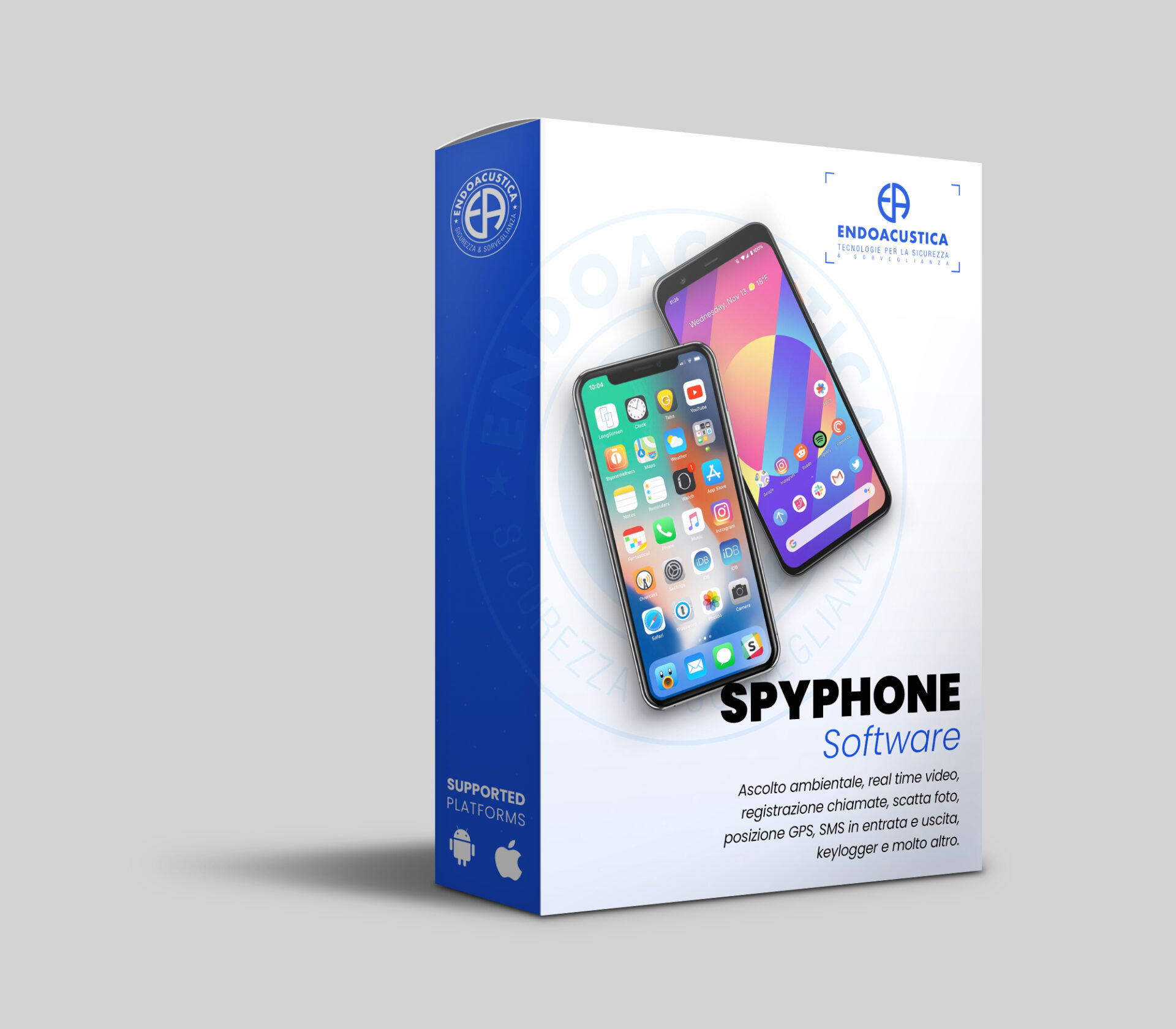
Over the past two decades, the concept of a Spy Phone has evolved dramatically. What was once considered a specially modified mobile phone has become a much broader concept, thanks to the rapid advancement of smartphone technology.
Today, modern smartphones already contain many of the features that make monitoring, location tracking, remote management, and information gathering possible. GPS modules, microphones, cameras, cloud connectivity, and high-speed mobile networks have transformed ordinary mobile devices into powerful communication and information platforms.
But how does a Spy Phone actually work? What technologies does it rely on, and why have smartphones become such important tools in security, investigations, and digital intelligence?
This guide explores the technologies behind modern Spy Phones and explains their role in today’s connected world.
What Is a Spy Phone?
The term Spy Phone generally refers to a smartphone configured to perform advanced monitoring, tracking, or remote management functions.
Unlike traditional surveillance devices such as hidden microphones or standalone GPS trackers, a Spy Phone leverages the hardware already built into a modern smartphone.
Most smartphones include:
- High-sensitivity microphones
- GPS receivers
- Cameras and video recorders
- Internet connectivity
- Internal storage
- Motion sensors
- Wi-Fi, Bluetooth, 4G, and 5G communication
The integration of all these technologies into a single device makes smartphones one of the most versatile information platforms available today.
Why Smartphones Have Become So Powerful
Smartphones are no longer simple communication devices.
They have become digital hubs that accompany users throughout the day and store a significant amount of personal and professional information.
People use smartphones to:
- Communicate
- Browse the internet
- Access online services
- Make payments
- Manage emails
- Share documents
- Participate in video conferences
- Store photos and videos
- Access business applications
Because so much activity takes place through a smartphone, these devices have become valuable sources of information in both personal and professional environments.
The Technologies Behind a Spy Phone
Many people imagine a Spy Phone as a highly specialized device. In reality, most modern mobile monitoring capabilities rely on technologies already integrated into today’s smartphones.
GPS and Location Tracking
One of the most important components of any modern smartphone is the GPS module.
By combining GPS satellites, cellular networks, and Wi-Fi positioning systems, smartphones can determine their geographic location with remarkable accuracy.
Location technologies are widely used in:
- Fleet management
- Logistics
- Personal safety
- Asset tracking
- Business operations
- Device recovery
GPS technology has become one of the most valuable tools in modern mobile devices.
Audio Capabilities and Microphone Technology
Every smartphone contains one or more microphones designed to capture high-quality audio.
These microphones are used for:
- Phone calls
- Voice messages
- Video conferencing
- Audio recordings
- Voice assistants
The quality and sensitivity of modern smartphone microphones have significantly improved over the years, making them essential components for communication and information gathering.
Internet Connectivity and Remote Access
The widespread availability of 4G and 5G networks has transformed the way smartphones operate.
Continuous internet access allows devices to communicate with cloud platforms, synchronize information, and exchange data almost instantly.
Remote management technologies have become increasingly important for businesses and organizations that need to manage mobile devices across multiple locations.
The ability to access information remotely has become one of the defining characteristics of modern mobile technology.
The Importance of Cloud Services
Cloud computing plays a major role in how smartphones function today.
Many types of data are no longer stored exclusively on the device itself. Instead, they are synchronized with secure cloud environments.
Examples include:
- Contacts
- Calendars
- Documents
- Photos
- Videos
- Messages
- Application data
Cloud integration has transformed smartphones from standalone devices into connected nodes within a much larger digital ecosystem.
Smartphones and Modern Investigations
Mobile technology has significantly changed the investigative landscape.
Smartphones can generate and store large amounts of information related to:
- Geographic movements
- Digital activities
- Network connections
- Communication patterns
- Device usage
Because of this, smartphones are often considered one of the most important sources of digital information during investigations and security assessments.
Their ability to consolidate data from multiple sources makes them valuable tools for information analysis and situational awareness.
Spy Phone vs Spy Software vs GSM Listening Devices
These terms are often used interchangeably, but they refer to different technologies.
Spy Phone
A Spy Phone is generally a smartphone configured for advanced monitoring, security, or management purposes.
Spy Software
Spy software refers to applications or platforms designed to provide additional monitoring or management capabilities on a mobile device.
GSM Listening Device
A GSM listening device is a dedicated hardware product that uses a SIM card and cellular network connectivity to transmit audio remotely.
Each technology serves different purposes and operates within different environments.
Mobile Devices and Corporate Security
Businesses increasingly rely on smartphones and tablets to conduct daily operations.
Employees use mobile devices to:
- Access corporate networks
- Communicate with clients
- Share confidential documents
- Manage projects
- Participate in remote meetings
As a result, mobile security has become a critical element of modern cybersecurity strategies.
Organizations now implement technologies such as:
- Device encryption
- Remote device management
- Multi-factor authentication
- Secure communications
- Mobile threat protection
Protecting smartphones has become just as important as protecting computers and servers.
How to Improve Smartphone Security
As smartphones become more central to our personal and professional lives, protecting them is essential.
Some recommended security practices include:
- Keeping operating systems updated
- Using strong passwords
- Enabling two-factor authentication
- Installing applications only from trusted sources
- Reviewing app permissions regularly
- Avoiding unsecured public Wi-Fi networks
- Performing regular data backups
These simple measures can significantly reduce security risks and help protect sensitive information.
The Future of Spy Phone Technology
The future of mobile technology is closely linked to developments in artificial intelligence, cloud computing, and next-generation communication networks.
As smartphones continue to evolve, they will integrate increasingly sophisticated capabilities related to:
- Security
- Data analysis
- Automation
- Location services
- Remote management
- Intelligent communication
Modern Spy Phones are no longer defined solely by monitoring capabilities. Instead, they represent the broader evolution of smartphones as multifunctional platforms capable of supporting a wide range of operational, security, and information management tasks.
Conclusion
Understanding how a Spy Phone works ultimately means understanding how modern smartphones work. GPS technology, microphones, cloud services, internet connectivity, cameras, and advanced sensors have transformed mobile devices into some of the most sophisticated technologies available today.
Whether used for communication, business operations, security management, or information analysis, smartphones have become central to the digital world. Their role will continue to grow as technology advances, making them one of the most important tools in modern society.