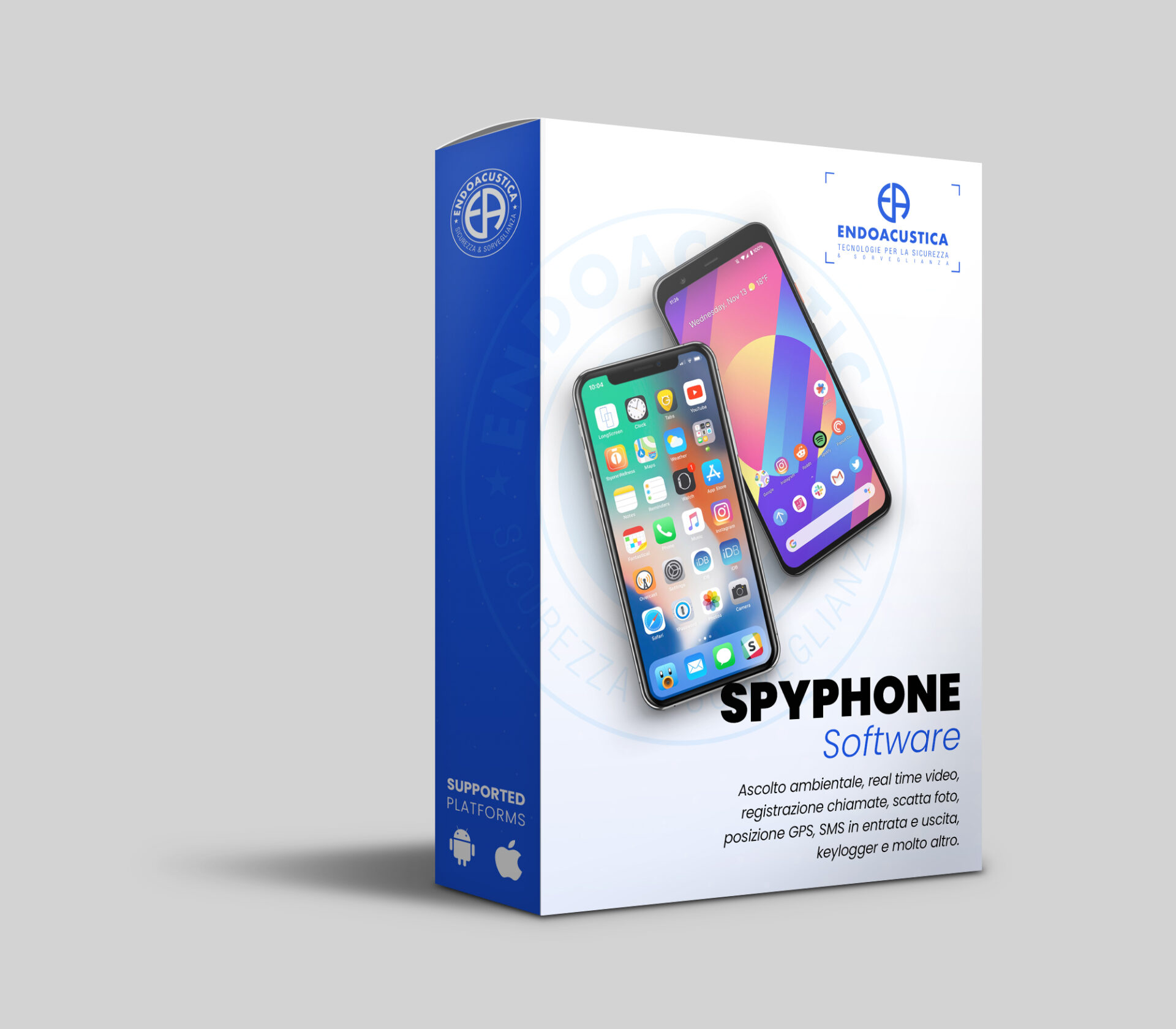
When evaluating professional smartphone monitoring software, one of the most common mistakes is comparing different solutions only by looking at the number of features they claim to offer.
Two monitoring systems may appear almost identical on paper but perform very differently in real-world use. The real differences often become apparent in software stability, smartphone compatibility, resource management, operating system support, and technical assistance.
Before choosing a mobile monitoring solution, it is therefore important to consider not only what the software can do, but also how reliably it can continue working over time as the smartphone, operating system, and security settings change.
Why Reliability Matters More Than a Long Feature List
A long list of features can certainly make a product look impressive. However, the number of available functions does not necessarily indicate the overall quality of a monitoring system.
In professional applications, operational continuity is often much more important. The software needs to perform its intended tasks without unnecessarily interfering with the normal operation of the smartphone.
Poorly optimized software may cause excessive battery consumption, unusual data usage, slow performance, unexpected errors, or other abnormal behavior. In some cases, these problems can eventually interrupt the monitoring activity completely.
For this reason, the first question should not simply be, “How many features does this software have?” A better question is: “How reliably does it work on the specific smartphone where it will be installed?”
Every Smartphone Is Different
One of the most important factors in smartphone monitoring is compatibility between the software, operating system, and specific device model.
This is particularly important with Android devices. Although many manufacturers use Android, companies such as Samsung, Google, Xiaomi, and others can implement their own settings for battery optimization, background applications, permissions, notifications, and network activity.
As a result, two smartphones running similar versions of Android may behave differently when the same monitoring application is installed.
A professional configuration should therefore include a compatibility check for the specific smartphone rather than relying on a standard installation procedure that is assumed to work identically on every device.
Operating System Updates Can Change How Software Works
A smartphone does not remain technically unchanged throughout its lifetime.
Operating systems are updated regularly. Security policies change, permissions may be modified, and manufacturers can introduce new restrictions affecting applications that operate in the background.
Software that works correctly today may therefore require an update or configuration adjustment following a major operating system update.
This is one of the reasons why the reliability of a professional monitoring solution depends not only on the original software, but also on the ability of its developer or supplier to maintain compatibility as smartphone technology evolves.
Software Stability and Battery Consumption
Resource management is another important factor when evaluating smartphone monitoring software.
Any application using GPS, mobile data, background processes, or other smartphone resources will consume some power and system resources. What matters is how efficiently those activities are managed.
Poorly optimized software can produce unusually high battery consumption or excessive mobile data usage. Well-designed software should instead balance the required monitoring activities with the normal operation of the smartphone.
This becomes particularly important when a monitoring system is expected to operate continuously for extended periods.
Discretion Also Depends on Software Quality
In authorized applications where discreet operation is required, software stability becomes even more important.
Unexpected notifications, crashes, unusual battery drain, errors, or abnormal smartphone behavior can attract attention and reduce the effectiveness of the system.
For this reason, discretion is not simply a matter of whether an application icon is visible. It depends on the overall behavior of the software and its ability to operate without creating unnecessary anomalies during normal smartphone use.
A Common Problem: The Smartphone Receives an Update
Consider a typical situation.
A smartphone has been properly configured and the monitoring system has been operating normally. The device then receives a major Android update.
Following the update, certain permissions may change. The operating system may introduce new restrictions on background applications, or the manufacturer may modify its battery-saving settings.
Some activities that previously worked correctly may then become limited or stop functioning.
Situations like this highlight one of the most important differences between simply purchasing monitoring software online and choosing a professional solution backed by technical support.
Technical Support Is Part of the Product
With professional smartphone monitoring, technical assistance should not be considered an optional extra.
Initial configuration, permissions, Android updates, battery settings, network configuration, and manufacturer-specific changes can all affect how the software operates.
Before purchasing a system, it is therefore important to know who will provide technical support if something changes.
This is an area where extremely inexpensive online solutions can become problematic. A low purchase price offers little advantage if the software stops operating correctly and the only available support is an email address that takes days to respond.
Low-Cost Software vs. a Professional Monitoring Solution
Why can there be such large price differences between products that appear to offer similar capabilities?
The answer is that the value of a professional solution does not necessarily come from having more features.
A significant part of the work behind a reliable system may include:
- device compatibility verification;
- correct software configuration;
- testing before deployment;
- optimization of device settings;
- software updates;
- support following operating system changes;
- post-sale technical assistance.
These elements may be less visible than a long list of features, but they can make a major difference when the system needs to operate reliably over time.
What to Check Before Choosing Smartphone Monitoring Software
Before purchasing a monitoring solution, it is useful to ask several practical questions.
The supplier should be able to explain which smartphones and operating system versions are supported, whether the specific device requires a particular configuration, and what kind of technical assistance is available after installation.
It is also worth asking how major operating system updates are handled and what happens when a smartphone manufacturer changes its security, battery management, or background application policies.
Another important consideration is whether the system is tested before deployment. Identifying a compatibility problem before the device is put into operation is considerably easier than discovering it later.
Only after these points have been evaluated does it make sense to compare features and price.
Why the Cheapest Solution Can Become the Most Expensive
Price is naturally an important consideration, but it should not be evaluated independently from reliability and support.
A low-cost product that requires repeated reconfiguration, becomes incompatible after an update, or leaves the customer without technical assistance can quickly become more expensive in terms of time and operational disruption.
For professional users, downtime itself has a cost. A system that is unavailable when it is needed can be considerably more problematic than the difference between the initial prices of two products.
This is why evaluating the complete service behind the software is just as important as evaluating the software itself.
The Endoacustica Europe Approach
For more than 20 years, Endoacustica Europe has provided professional monitoring and security solutions for different operational requirements.
Our approach does not end with supplying software or a configured device. Before purchase, we can help evaluate the appropriate solution and verify compatibility with the intended smartphone. Configuration and testing can then be performed according to the requirements of the specific system.
Technical assistance is also important after deployment. Operating system updates, changes to Android permissions, battery optimization settings, and other software modifications may require additional configuration or support.
If you are looking for information about the different technologies, configurations, and professional systems available, see our main guide to professional spy phones and smartphone monitoring solutions.
Reliability Should Be Part of the Buying Decision
Choosing smartphone monitoring software should not be reduced to comparing feature lists.
Compatibility, software stability, resource management, operating system updates, testing, and technical support can be just as important as the functions provided by the software.
A professional solution should be evaluated as a complete system: the software, the smartphone on which it operates, its configuration, and the technical assistance available throughout its operational life.
For this reason, the best choice is not necessarily the product offering the largest number of features or the lowest initial price. It is the solution capable of providing the required functionality reliably and consistently when it is actually needed.
Smartphone monitoring systems must only be used on devices you own or where you have the necessary authorization. Always verify compliance with applicable privacy, monitoring, and data protection laws before using any monitoring technology.