Technology has changed the way people communicate, build relationships, and sometimes hide parts of their personal lives. Smartphones, messaging apps, social networks, and online dating platforms have made it possible to remain connected with other people throughout the day, often through conversations that leave very few visible signs outside the digital world.
For this reason, discussions about marital infidelity increasingly involve digital communication. A relationship that once might have developed through telephone calls or face-to-face meetings can now begin with a message, a social media interaction, or an online conversation.
At the same time, technology has also changed how suspicious behavior is noticed. Changes in smartphone habits, unusual communication patterns, greater secrecy, or unexplained changes in routine can raise questions within a relationship. However, none of these signs alone proves that a partner is being unfaithful.
How Has Technology Changed Marital Infidelity?
Before smartphones and social media became part of everyday life, maintaining a secret relationship generally required more direct communication. Telephone calls, physical meetings, letters, and later emails were among the most common methods.
Today, a single smartphone can provide access to messaging apps, social networks, email, video calls, dating platforms, cloud services, and multiple forms of private communication.
This does not mean that technology causes infidelity. It simply provides more ways for people to communicate privately and maintain relationships at a distance.
A conversation can begin casually and gradually become more personal. Former partners can reconnect through social networks, colleagues can continue communicating outside working hours, and people who have never met in person can establish close relationships entirely online.
Social Media, Messaging Apps, and Secret Communication
Social networks have made it much easier to reconnect with people from the past and establish new contacts. Messaging applications have taken this development even further by making private communication immediate and available almost everywhere.
Text messages are only one part of this environment. Modern communication can include voice messages, photographs, videos, video calls, group conversations, and calls made directly through Internet-based applications.
As a result, communication that might once have required several different devices can now take place entirely through one smartphone.
For someone who suspects infidelity, however, the existence of these technologies should not be confused with evidence. Having multiple messaging applications, receiving notifications, or spending significant time on a smartphone does not automatically indicate a secret relationship.
What Are the Possible Signs of Infidelity?
There is no single behavior that can reliably prove that someone is cheating. What may appear suspicious in one relationship can have a completely ordinary explanation in another.
Questions usually arise when several changes occur together or when established habits suddenly change. These may include:
- increased secrecy around the smartphone;
- sudden changes in daily routines;
- unexplained periods of unavailability;
- frequent private conversations at unusual times;
- changes in social habits;
- unexplained expenses or travel;
- significant changes in communication within the relationship.
These are only possible warning signs. They are not proof of marital infidelity. Work, family issues, stress, personal problems, or many other circumstances can produce similar changes in behavior.
Why Smartphones Often Become the Center of Suspicion
The smartphone has become one of the most personal devices we own. It contains much more than a list of telephone numbers.
Depending on the applications and services used, a smartphone may contain call information, conversations, photographs, emails, contacts, calendar information, browsing activity, social media accounts, and location-related data.
For this reason, when trust becomes a problem within a relationship, attention often turns toward the phone.
But this is also where an important distinction must be made: suspecting infidelity does not automatically give someone the legal right to secretly access another person’s smartphone, accounts, conversations, or communications.
Can You Legally Monitor Your Partner’s Smartphone?
The answer depends on the applicable law, ownership of the device, authorization, consent, the information being accessed, and the monitoring technology being used.
Installing monitoring software on another adult’s smartphone without proper authorization can violate privacy, communications, computer access, or surveillance laws. Being married to someone does not necessarily eliminate that person’s legal rights to privacy.
The same caution applies to passwords and online accounts. Knowing or discovering another person’s password does not necessarily mean that accessing the account is legally permitted.
Anyone considering smartphone monitoring should therefore determine whether the intended use is lawful in the relevant jurisdiction before installing or using monitoring technology.
What Can Professional Smartphone Monitoring Technology Do?
In situations where monitoring is legally authorized, modern smartphone monitoring systems can provide considerably more information than the simple call-monitoring technologies available years ago.
Depending on the operating system, configuration, permissions, and specific solution, professional smartphone monitoring software may provide access to different categories of information from an authorized device.
These can include call-related information, messages, location data, contacts, photographs, and other device activity supported by the particular system.
Modern monitoring technology should therefore be understood as a platform for collecting and organizing authorized device information rather than simply as a way to listen to telephone calls.
From Traditional Phone Calls to Messaging Apps
Another major change concerns the type of communication taking place on smartphones.
Traditional cellular calls and SMS messages are no longer the only important channels. A significant amount of personal communication now takes place through Internet-based messaging and social applications.
This evolution has also changed professional smartphone monitoring technology. Systems have had to adapt to a mobile environment where different types of information are generated by the operating system and by multiple applications.
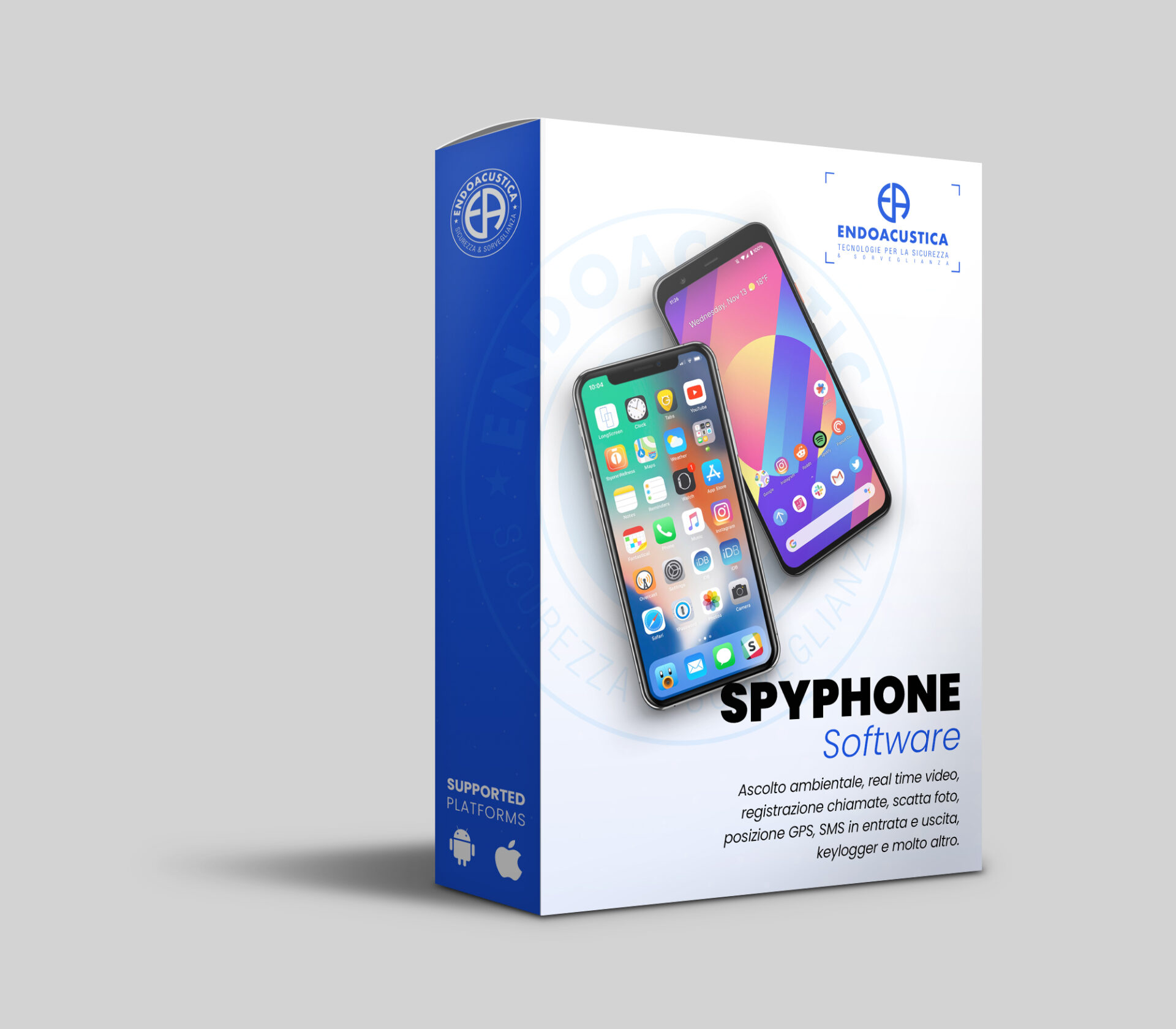
For this reason, modern professional monitoring smartphones and spy phone solutions can combine multiple monitoring functions within the same environment when their use is authorized.
Technology Is Not Proof of Infidelity
One of the biggest mistakes is trying to make technology provide an answer that the available information cannot support.
A location, a telephone call, a message, or a change in smartphone behavior needs context. Individual pieces of information can easily be misunderstood when considered in isolation.
This becomes particularly important when emotions are involved. Suspicion can make completely ordinary behavior appear significant, while assumptions can quickly turn into conclusions that are not supported by evidence.
Technology can provide information in appropriate and lawful circumstances. It cannot determine by itself whether a relationship is healthy, whether someone is lying, or whether a particular interaction constitutes infidelity.
When a Private Investigator May Be a Better Option
When there is a legitimate reason to establish facts and the legal boundaries of personal monitoring are unclear, consulting a licensed private investigator or qualified legal professional may be a more appropriate approach than attempting unauthorized surveillance.
Professional investigators operate according to the laws applicable to their jurisdiction and can determine which investigative methods may legally be used in a particular situation.
This is especially important when information may later be needed for legal proceedings, separation, divorce, or other formal purposes.
Infidelity and Technology: What Has Really Changed?
Technology did not invent marital infidelity. What smartphones, social networks, and messaging applications have changed is the speed, availability, and privacy of communication.
People can establish and maintain contact from almost anywhere, while a large part of their communication may remain within a personal device.
At the same time, smartphones have become increasingly sophisticated and contain information about many aspects of everyday life. This explains why they often become central when questions about trust and infidelity arise.
Professional smartphone monitoring technology also continues to evolve, but its capabilities should always be separated from the question of whether a particular use is lawful.
For more than 20 years, Endoacustica Europe has worked with professional monitoring, security, and investigative technologies. Our solutions are intended for lawful and authorized applications, and users are responsible for verifying that the installation and use of any monitoring system complies with the laws applicable in their country.