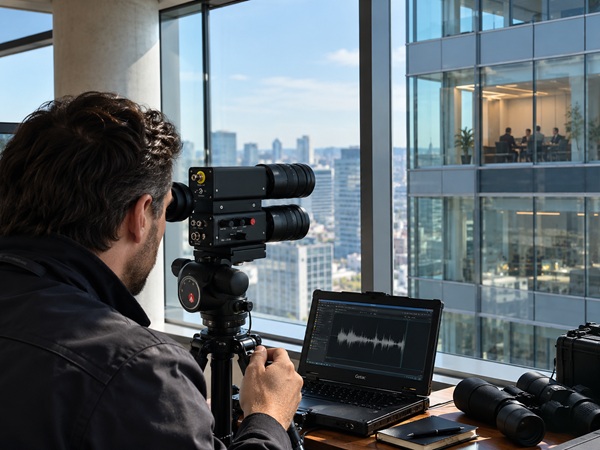
Article originally published in 2009 and updated September 10, 2026. This article has been updated with technical information on laser microphones, remote audio detection, and the evolution of optical sensing technology. A laser beam can be used to detect tiny vibrations produced by sound on a surface. This is the
Category: Audio Surveillance
Audio surveillance technologies play a critical role in modern security, investigations, intelligence gathering, and situational awareness. From professional audio recorders to covert listening devices and remote monitoring systems, audio surveillance equipment is designed to capture, transmit, and store sound information in a wide range of operational environments.
Advances in digital technology have significantly improved the quality, reliability, and versatility of audio surveillance solutions. Modern devices can provide crystal-clear recordings, long operating times, remote access capabilities, encrypted communications, and highly discreet form factors suitable for professional applications.
Audio surveillance systems are widely used in corporate security, law enforcement, private investigations, critical infrastructure protection, and information gathering operations. Depending on operational requirements, solutions may include miniature audio recorders, GSM listening devices, Wi-Fi audio transmitters, remote monitoring systems, fiber optic microphones, and advanced digital recording platforms.
The growing importance of information security has increased demand for professional audio surveillance technologies capable of operating in challenging environments while maintaining high levels of performance and discretion.
Within this category you will find professional audio surveillance equipment, covert listening devices, digital audio recorders, remote audio monitoring systems, wireless microphones, and advanced solutions designed for investigative, security, and intelligence applications.
Whether the objective is evidence collection, security monitoring, operational support, or information gathering, audio surveillance remains one of the most effective and widely used technologies in the modern security industry.

GSM Bug: How Remote GSM Audio Monitoring Devices Work
A GSM bug is one of the most advanced evolutions of traditional audio monitoring technology. Unlike classic radio transmitters, which require a receiver positioned within a limited range, GSM-based devices use the mobile phone network to transmit audio remotely, allowing communication over virtually unlimited distances where cellular coverage is available.
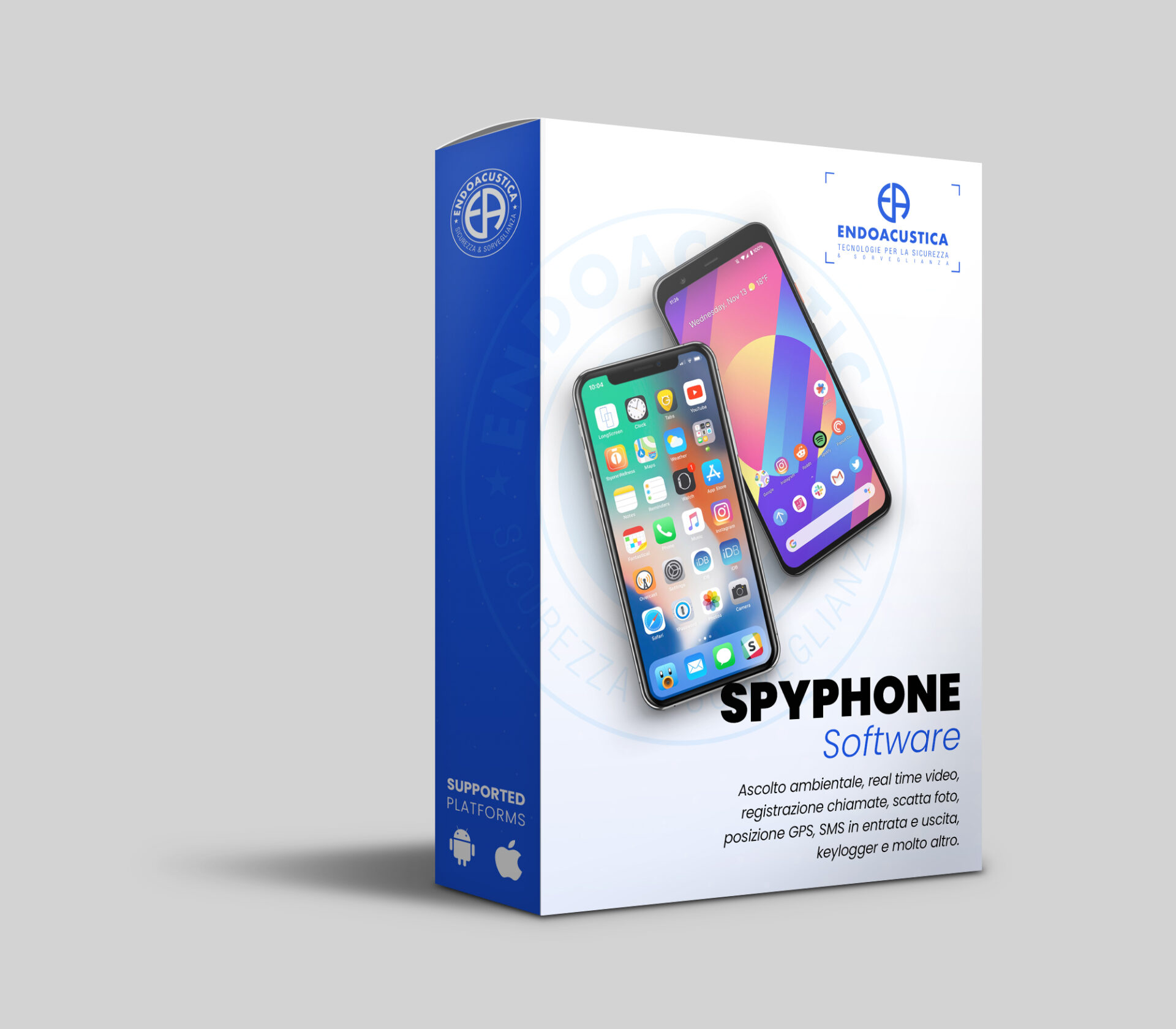
Spy Phone Software: How Smartphone Monitoring Technology Works
Smartphones have become advanced digital devices capable of managing calls, messages, applications, location information and large amounts of personal data. For this reason, technologies related to spy phone software and smartphone monitoring have evolved significantly over the years. Modern mobile monitoring solutions are no longer based on the simple concepts

Spy audio recording devices
Throughout history, intelligence and security technologies have always followed the same principle: obtaining information while reducing the size and visibility of the equipment used. Today, this evolution has led to extremely compact spy audio recording devices, professional mini recorders and portable digital systems capable of capturing high-quality audio while maintaining
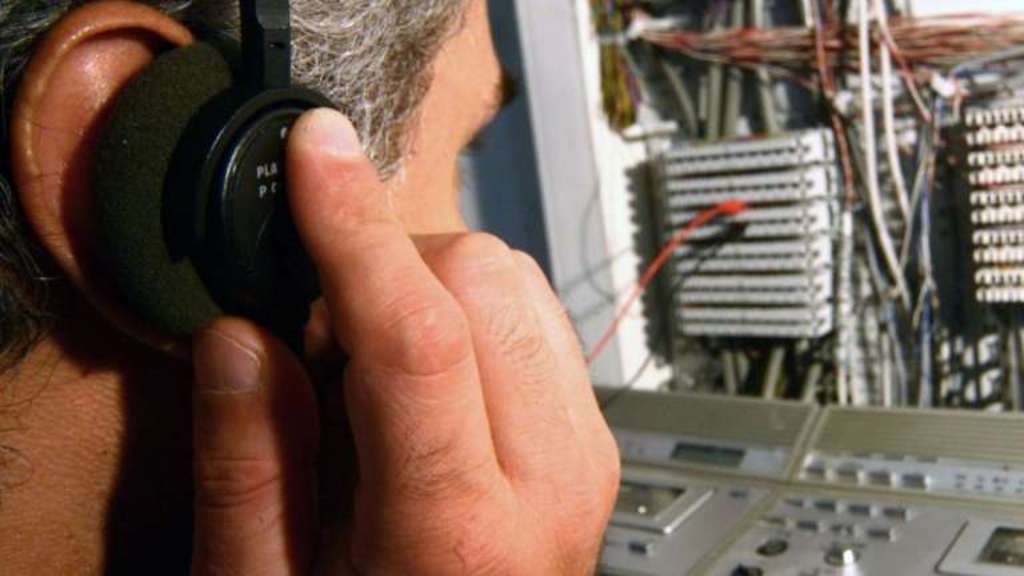
Telephone Line Monitoring Devices: How They Work
In many professional environments, telephone lines have historically represented one of the main channels for business communication. Although modern companies increasingly rely on digital systems, traditional landlines are still used in offices, commercial activities and specialized environments. For this reason, technologies related to telephone line monitoring and landline listening devices
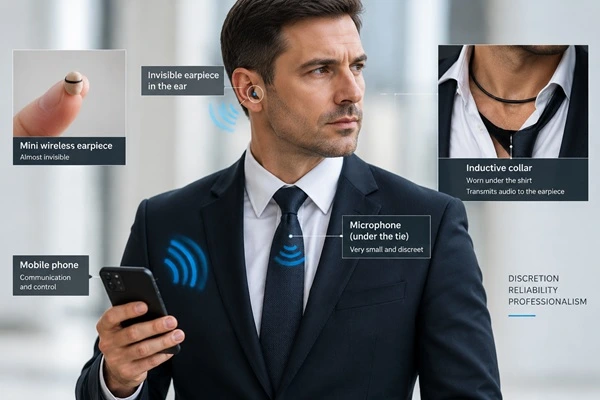
Invisible Micro Earpieces: Professional Communication Systems
In many professional environments, communication must remain discreet, reliable and immediate. Security operators, technical teams, event professionals and specialized personnel often require solutions that allow them to receive information without interrupting their activities. This need has led to the development of invisible micro earpieces, miniature communication systems designed to provide

Telephone Eavesdropping and the Security of Private Conversations
Are our telephone conversations really private? The question has become increasingly important as communications have moved from traditional landlines to mobile networks, VoIP services, smartphones, and Internet-based calling platforms. At the same time, the technologies used to collect, transmit, and store information have become considerably more powerful. What was once