
Endoacustica offers, Exclusive Customer Service and free Training


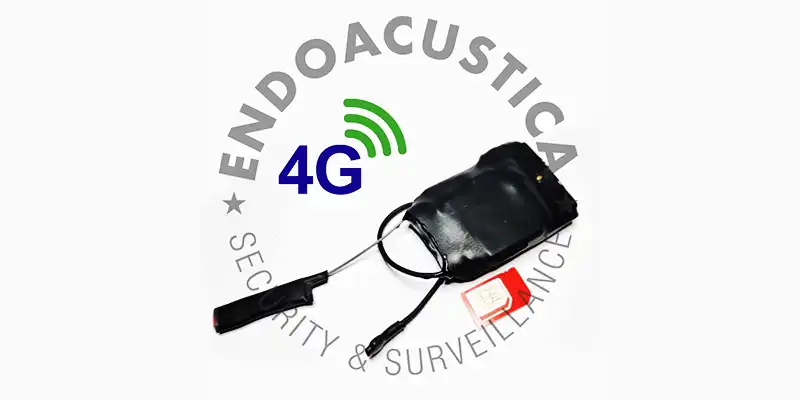
Long-Range Audio Surveillance
Complete Guide to Professional Audio Surveillance Technologies
Modern long-range audio surveillance relies on several professional technologies, including GSM audio bugs, 4G and Wi-Fi listening devices, analog radio transmitters, encrypted digital systems, directional microphones, and fiber optic microphones. Each solution is designed for a specific application and offers different advantages in terms of operating range, audio quality, battery life, security, and installation. Choosing the wrong technology can significantly reduce performance or even make the system unsuitable for your application. In this guide you'll learn how each technology works, its strengths and limitations, and how to choose the professional audio surveillance solution that best fits your needs.
Modern long-range audio surveillance relies on several professional technologies, including GSM audio bugs, 4G and Wi-Fi listening devices, analog radio transmitters, encrypted digital systems, directional microphones, and fiber optic microphones. Each solution is designed for a specific application and offers different advantages in terms of operating range, audio quality, battery life, security, and installation. Choosing the wrong technology can significantly reduce performance or even make the system unsuitable for your application. In this guide you'll learn how each technology works, its strengths and limitations, and how to choose the professional audio surveillance solution that best fits your needs.
🚀 Complete Guide & Products
Jump directly to the section you're interested in.
Professional GSM Audio Bugs
Professional GSM audio bugs allow you to listen to conversations in real time from virtually anywhere in the world using the cellular network. Simply insert a SIM card into the device and call its number to hear live audio directly from your smartphone.
Unlike traditional radio transmitters, GSM audio bugs are not limited by the distance between the transmitter and the listener. This makes them an excellent choice for monitoring homes, offices, warehouses, vehicles, and many other locations where reliable long-range audio surveillance is required.
⭐ Why Choose a GSM Audio Bug?
- ✔ Unlimited listening range via the GSM network
- ✔ High-sensitivity professional audio
- ✔ Voice Activation (VOX)
- ✔ Quick and easy installation
- ✔ Controlled directly from your smartphone
- ✔ Low power consumption
- ✔ Ideal for homes, offices, and vehicles
- ✔ Professional solutions by Endoacustica Europe
Recommended Models

GSM-BUG
GSM
GPS
VOX
The GSM-BUG is a professional GSM audio surveillance device with an integrated GPS module, designed for unlimited remote listening over the cellular network. Its high-sensitivity microphone delivers exceptionally clear audio, while Voice Activation (VOX) and Motion Detection automatically notify you only when activity is detected.
| Technology | GSM + GPS |
|---|---|
| Features | VOX • Motion Detection |
| Best For | Homes • Offices • Vehicles |
NANO-BUG
GSM
DSP
Ultra Compact
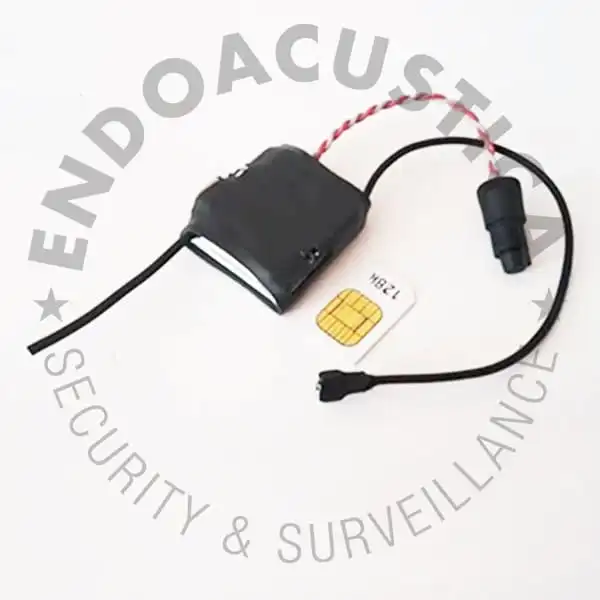
The NANO-BUG is an ultra-compact quad-band GSM audio surveillance device designed for discreet installations. It can be fully configured via SMS and includes Voice Activation (VOX), Motion Detection, advanced DSP audio processing, and low power consumption for extended operating time.
| Technology | Quad-Band GSM |
|---|---|
| Features | VOX • Motion Detection • DSP |
| Best For | Covert Monitoring |
Looking for the right GSM audio bug for your application?
Explore All GSM Audio Bugs →Professional Analog Radio Audio Bugs
Professional analog UHF audio bugs remain one of the most reliable solutions whenever continuous, real-time audio transmission is required without relying on cellular networks or Internet connectivity. Thanks to direct radio transmission, they provide virtually zero latency, excellent audio quality, and highly dependable performance even in demanding operating environments.
These systems are widely used in professional investigations, intelligence operations, building surveillance, warehouses, offices, and large outdoor areas where a dedicated radio link is preferred over GSM or IP-based communication.
Why Choose an Analog Radio Audio Bug?
- ✔ Continuous, real-time radio transmission
- ✔ No SIM card or Internet connection required
- ✔ Virtually zero transmission delay
- ✔ Professional-grade audio quality
- ✔ Operating range exceeding 800 meters
- ✔ Ideal for professional surveillance
- ✔ Reliable in challenging environments
- ✔ Professional solutions by Endoacustica Europe
Recommended Models

UHF-220B
UHF
220V AC
Knowles Mic
UHF-220B is a professional analog UHF audio bug powered directly from a standard 220V AC power source. Equipped with a high-sensitivity Knowles microphone and a stable UHF transmitter, it provides continuous audio monitoring with an operating range exceeding 800 meters. Its compact design allows discreet installation inside electrical outlets, switch boxes, and other permanent locations.
| Technology | Analog UHF |
|---|---|
| Power Supply | 220V AC |
| Range | Over 800 meters |
| Best For | Homes • Offices • Permanent Installations |
ENRMK-129
UHF
1 km+
500 mW RF
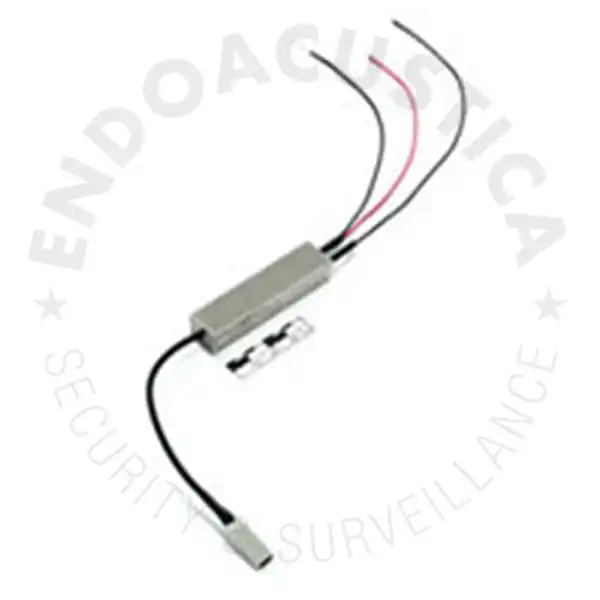
ENRMK-129 is a professional long-range UHF audio bug designed for demanding surveillance applications. Its 500 mW RF output, high-performance microphone, and analog UHF transmission provide crystal-clear audio at distances exceeding one kilometer, even in challenging operating conditions.
| Technology | Analog UHF |
|---|---|
| RF Output | 500 mW |
| Range | Over 1 km |
| Best For | Investigations • Intelligence • Long-Range Surveillance |
Looking for the right analog radio audio bug?
Explore All Analog Radio Audio Bugs →Professional Encrypted Digital Audio Surveillance Systems
Encrypted digital audio surveillance systems are the preferred choice whenever secure communications are the top priority. Thanks to advanced digital encryption, they protect audio transmissions against unauthorized interception while delivering outstanding sound quality and reliable long-term performance.
These professional systems are widely used by government agencies, military organizations, law enforcement, corporate security teams, and private investigators whenever sensitive conversations must remain protected.
Why Choose an Encrypted Digital Audio Surveillance System?
- ✔ End-to-end encrypted audio transmission
- ✔ Maximum communication security
- ✔ High-definition digital audio
- ✔ Designed for professional surveillance
- ✔ Strong protection against interception
- ✔ Quick and easy installation
- ✔ Ideal for continuous operation
- ✔ Professional technology by Endoacustica Europe
Recommended Models
ENKPL-SD
Digital
Encrypted
220V AC
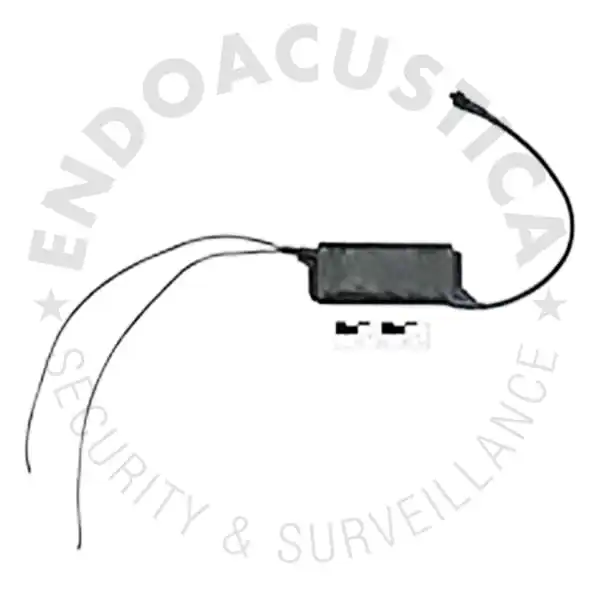
ENKPL-SD uses the building's electrical wiring as its transmission medium, sending digitally encoded audio through the existing power lines. Since it does not rely on radio transmissions and operates continuously from a 220V AC power source, it is an excellent choice for permanent installations requiring maximum discretion and long-term operation.
| Technology | Encrypted Digital ADM |
|---|---|
| Transmission | Power Line Communication |
| Power Supply | 220V AC |
| Best For | Permanent Installations • Sensitive Locations |
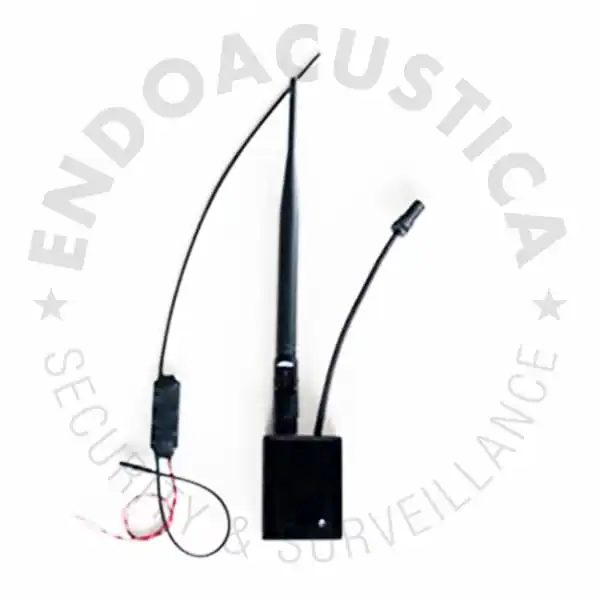
ENDIGIT-128
128-bit Encryption
Digital
HD Audio
ENDIGIT-128 is a professional encrypted digital audio surveillance system consisting of a secure transmitter and a dedicated receiver. Featuring 128-bit encryption, high-definition 64 kHz / 16-bit audio, and long operating range, it is designed for government, law enforcement, intelligence, and other professional applications where communication security is essential.
| Technology | 128-bit Encrypted Digital |
|---|---|
| Audio Quality | 64 kHz / 16-bit |
| System | Transmitter + Receiver |
| Best For | Investigations • Intelligence • High-Security Operations |
Explore our complete range of professional encrypted digital audio surveillance systems.
Explore the Full Product Range →Professional Directional Microphones
Professional directional microphones are designed to capture conversations and sounds from long distances while focusing on a specific target and minimizing background noise from surrounding areas. They are widely used by private investigators, law enforcement agencies, security professionals, broadcast crews, and wildlife researchers whenever high-quality audio must be captured without approaching the sound source.
Depending on the technology used—laser, parabolic, or shotgun microphones—they can detect vibrations from glass surfaces, capture conversations hundreds of meters away, or isolate a single voice even in noisy environments.
Why Choose a Directional Microphone?
- ✔ Long-range audio capture
- ✔ Excellent speech intelligibility
- ✔ Reduced background noise
- ✔ Ideal for professional investigations
- ✔ Laser, Parabolic, and Shotgun technologies
- ✔ Handheld or tripod-mounted operation
- ✔ High-fidelity professional audio
- ✔ Perfect for security and intelligence applications
Recommended Models

LAS-MIC
Laser
Optical
Professional
LAS-MIC uses an invisible laser beam to detect vibrations on glass surfaces and convert them into high-definition audio. Designed for professional surveillance, investigations, and intelligence operations, it delivers outstanding precision for long-distance audio monitoring.
| Technology | Optical Laser |
|---|---|
| Application | Glass Surfaces |
| Best For | Investigations • Intelligence |
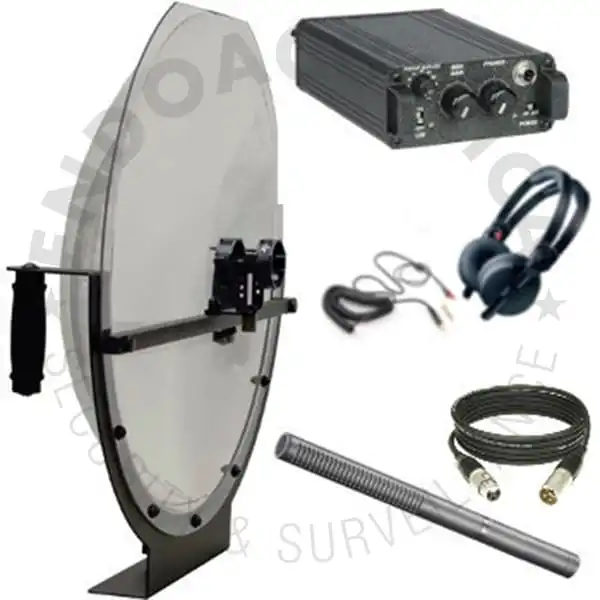
EAGLE
Parabolic
200 m
Preamplified
EAGLE uses a parabolic reflector to focus sound waves coming from a specific direction. It captures conversations from distances of up to approximately 200 meters, making it ideal for surveillance, sporting events, broadcast production, and wildlife observation.
| Technology | Parabolic |
|---|---|
| Operating Range | 150–200 meters |
| Best For | Sports • Broadcasting • Investigations |
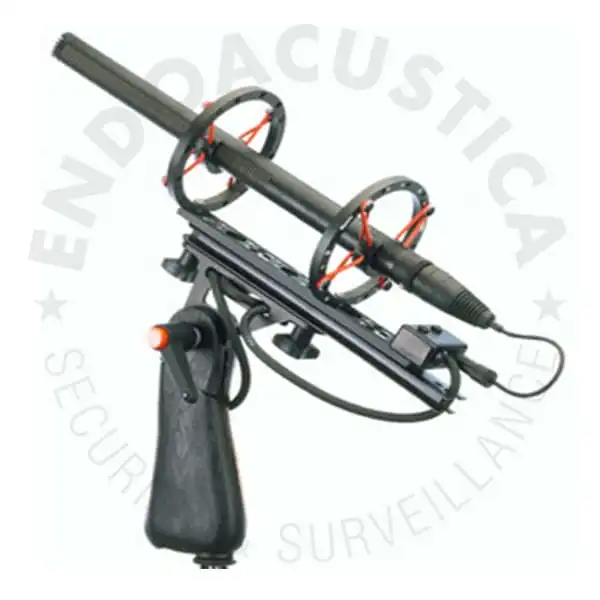
KMR-359
Shotgun
150 hrs
Supercardioid
KMR-359 is a compact supercardioid shotgun microphone engineered to capture audio exclusively from the desired source while minimizing surrounding noise. Long battery life, adjustable gain, and a built-in high-pass filter make it an excellent choice for professional surveillance, filmmaking, and field recording.
| Technology | Supercardioid Shotgun |
|---|---|
| Battery Life | Over 150 hours |
| Best For | Investigations • Film Production • Wildlife Recording |
Explore our complete range of professional directional microphones and compare all available models.
Explore the Full Product Range →Why Choose Endoacustica Europe
For over 20 years, Endoacustica Europe has been supplying professional audio surveillance, covert listening, and technical investigation solutions to customers worldwide. Every product in our catalog is carefully selected to deliver outstanding reliability, crystal-clear audio, and dependable performance, even in the most demanding operational environments.
- ✔ More than 20 years of industry experience
- ✔ Professionally tested and selected products
- ✔ Expert technical support
- ✔ Personalized product recommendations
- ✔ Fast and discreet worldwide shipping
- ✔ Dedicated after-sales support
- ✔ Solutions for professionals and businesses
- ✔ Assistance with advanced system configurations
Need help choosing the right audio surveillance solution?
Our specialists are ready to help you select the best system for your specific requirements.
📞 Call Us: +39 080 3026530
Our specialists are ready to help you select the best system for your specific requirements.
📞 Call Us: +39 080 3026530
How Long-Range Audio Surveillance Systems Work
Long-range audio surveillance systems are designed to capture conversations and transmit audio to a remote listener. Depending on the technology used, they can monitor an area from a few hundred meters away to virtually anywhere in the world.
Today, professionals can choose from several technologies, including GSM listening devices, 4G systems, Wi-Fi surveillance devices, UHF radio transmitters, directional microphones, and encrypted digital systems. Although each technology operates differently, they all share the same goal: delivering clear, reliable audio over the greatest possible distance.
🎙️ The Basic Operating Principle
Every audio surveillance device consists of three essential components:
- ✔ a high-sensitivity microphone that captures sound;
- ✔ an electronic circuit that processes the audio signal;
- ✔ a transmission system that delivers the audio to the remote user.
Professional systems digitally process the audio to reduce background noise, hiss, and interference, making conversations much clearer even in challenging environments.
📡 How Is the Audio Transmitted?
The biggest difference between audio surveillance technologies is not the microphone itself, but the method used to transmit the audio.
| Technology | How It Works | Typical Range |
|---|---|---|
| GSM / 4G | Uses a cellular SIM card. | Virtually unlimited. |
| Wi-Fi | Uses an Internet connection. | Anywhere with Internet access. |
| UHF Radio | Direct radio transmission to a dedicated receiver. | Hundreds of meters to over 1 km. |
| Power Line | Transmits audio through existing electrical wiring. | Highly stable transmission. |
The best technology depends on the installation environment, available infrastructure, and the operating distance required.
🔊 Audio Quality Depends on More Than the Microphone
Many people assume that installing a high-quality microphone is enough to obtain excellent audio. In reality, overall performance depends on the complete electronic system.
Professional devices often include advanced technologies such as:
- ✔ High-sensitivity Knowles microphones;
- ✔ DSP processors for digital audio enhancement;
- ✔ Automatic noise reduction filters;
- ✔ Automatic Gain Control (AGC);
- ✔ Low-noise transmission circuits.
These technologies provide significantly clearer voice reproduction than standard consumer devices.
🔋 Power Supply and Operating Time
Power options and battery life are among the most important factors when selecting a long-range audio surveillance system.
Depending on the model, the device may be powered by:
- 🔋 Rechargeable internal battery;
- 🔌 Continuous AC power;
- 🚗 Vehicle electrical system;
- 🔋 High-capacity external battery packs;
- ⚡ External power supplies or power banks.
Models with continuous power can operate around the clock, making them ideal for long-term surveillance applications.
⚙️ Smart Features
Modern professional surveillance devices include advanced features designed to improve efficiency, battery life, and ease of use.
Popular features include:
- ✔ Voice Activation (VOX)
- ✔ Automatic Recording
- ✔ SMS or App Configuration
- ✔ Scheduled Power On/Off
- ✔ Automatic Alerts and Notifications
- ✔ Encrypted Audio Transmission
- ✔ Remote Device Management
📌 Key Takeaways
There is no single best long-range audio surveillance system for every situation.
The right solution depends on several factors:
- ✔ Required listening distance;
- ✔ Availability of GSM or Internet coverage;
- ✔ Desired operating time;
- ✔ Available power source;
- ✔ Required audio quality;
- ✔ The environment where the device will be installed.
In the following sections, we'll compare each technology in detail, explaining its advantages, limitations, and ideal applications to help you choose the solution that best fits your needs.
Long-Range Audio Surveillance Technologies: GSM, 4G, Wi-Fi, UHF Radio, and Encrypted Systems
When choosing a long-range audio surveillance system, the most important decision is not which model to buy, but which transmission technology best fits your application.
Each technology is designed for a different purpose. Some systems allow you to monitor an area from virtually anywhere in the world, others focus on transmission stability, while others prioritize maximum audio quality or the highest level of communication security.
Understanding these differences will help you choose the right solution and avoid buying equipment that isn't suitable for your operating environment.
📱 GSM & 4G Audio Surveillance Systems: Unlimited Listening Range
GSM audio surveillance systems are among the most popular solutions because they use the cellular network. Simply insert a standard SIM card into the device and you can monitor the environment by placing a phone call or, with more advanced models, through a mobile data connection.
Distance is virtually unlimited. As long as the device has cellular coverage and the operator has access to the mobile network, audio can be monitored from almost anywhere in the world.
Best for:
- ✔ Homes
- ✔ Offices
- ✔ Retail stores
- ✔ Warehouses
- ✔ Vehicles
- ✔ Long-distance remote monitoring
📶 Wi-Fi Audio Surveillance Systems: Superior Audio and Remote Management
Wi-Fi audio surveillance systems connect to an existing wireless network within the monitored location. Once connected to the router, they can stream live audio to smartphones, tablets, or computers through dedicated applications.
Compared to traditional GSM systems, Wi-Fi models often provide higher audio quality together with advanced remote management features, including recording, notifications, configuration changes, and firmware updates.
Key advantages
- ✔ High-quality audio
- ✔ Smartphone app control
- ✔ Complete remote management
- ✔ Continuous live streaming
- ✔ No SIM card required
📡 UHF Radio Surveillance Systems: Maximum Stability
UHF radio surveillance systems remain one of the preferred technologies for professional investigations. Audio is transmitted directly to a dedicated receiver without relying on cellular networks or Internet connections.
This approach provides extremely stable transmission, virtually zero latency, and reliable operation even in locations without cellular coverage.
Professional models can achieve operating ranges of more than one kilometer in open areas while maintaining excellent audio quality.
Ideal when you need:
- ✔ Continuous audio transmission
- ✔ Operation without cellular service
- ✔ Maximum reliability
- ✔ Professional-grade performance
🔐 Encrypted Digital Audio Surveillance Systems
When communication security is critical, encrypted digital systems provide the highest level of protection. Audio is encrypted before transmission and can only be decoded by the authorized receiver.
These systems are widely used in government, military, industrial, corporate, and law enforcement applications where protecting sensitive information is essential.
⚡ Power Line Audio Surveillance Systems
A lesser-known but highly effective solution is the power line audio surveillance system. Instead of transmitting audio by radio, these devices use the building's existing electrical wiring as the transmission medium.
Because no radio signal is broadcast, this technology is particularly useful for permanent installations requiring maximum discretion or in environments where radio communications are impractical.
📊 Technology Comparison
| Technology | Range | Network Required? | Best Application | Recommended Product |
|---|---|---|---|---|
| GSM / 4G | Virtually unlimited | SIM card | Remote monitoring | GSM-BUG |
| Wi-Fi | Anywhere with Internet | Wi-Fi | Homes & Offices | PICO2 |
| UHF Radio | Up to 1 km+ | No | Professional investigations | ENRMK-129 |
| Power Line | Depends on wiring | No | Permanent installations | ENKPL-SD |
| Encrypted Digital | Varies | Dedicated receiver | High-security operations | ENDIGIT-128 |
| Directional Microphone | 200 m+ | No | Targeted audio capture | EAGLE |
* Actual operating range depends on the technology used (parabolic, laser, or shotgun microphone) and environmental conditions.
💡 Expert Tip
Many buyers simply look for the longest-range audio surveillance device. In reality, operating distance is only one factor to consider.
Before choosing a system, evaluate the available power source, cellular or Internet coverage, required operating time, desired audio quality, and the environment where the device will be installed.
Selecting the right transmission technology will deliver far better results than choosing a device based only on its size or price.
How to Choose the Right Audio Surveillance System
Choosing a long-range audio surveillance system is not simply about buying the smallest device or the one with the longest range. Every system is designed for specific applications, and its performance depends largely on where and how it will be used.
Before making your decision, it's important to evaluate several key factors that directly affect audio quality, operating time, reliability, and ease of installation.
🏠 Where Will the Device Be Installed?
The first question to ask is where the system will be used. There is no universal solution. A device that's perfect for vehicle surveillance may not be the best choice for an office, warehouse, or residential property.
| Application | Recommended Technology |
|---|---|
| Homes | GSM, Wi-Fi, or AC-powered systems |
| Offices | Wi-Fi, GSM, or encrypted digital systems |
| Vehicles | Battery-powered GSM or vehicle-powered systems |
| Warehouses & Industrial Facilities | GSM, UHF Radio, or continuously powered systems |
| Temporary Surveillance | Battery-powered listening devices |
🔋 How Long Does It Need to Operate?
Battery life is one of the most overlooked—but also one of the most important—factors.
If monitoring is only required for a few hours, an internal rechargeable battery may be sufficient. For surveillance lasting days or weeks, consider models with high-capacity batteries or systems powered directly from an AC outlet or a vehicle's electrical system.
Keep in mind:
- ✔ The more a device transmits, the more power it consumes.
- ✔ Voice Activation (VOX) can dramatically extend battery life.
- ✔ Continuous power virtually eliminates operating time limits.
📡 Is Cellular or Internet Coverage Available?
Before selecting a surveillance system, check whether cellular service or Internet access is available at the installation site.
GSM systems require a SIM card with reliable cellular coverage, while Wi-Fi models depend on a stable wireless network. If neither option is available, a professional UHF radio surveillance system is often the best choice.
🎙️ How Important Is Audio Quality?
Not all surveillance devices deliver the same audio performance. Professional systems depend on several factors:
- ✔ Microphone sensitivity;
- ✔ Quality of the electronic components;
- ✔ Background noise reduction;
- ✔ DSP audio processing;
- ✔ Stable signal transmission.
A professional system can keep conversations clear and intelligible even in environments with traffic, HVAC systems, machinery, or other background noise.
⚙️ Which Features Are Actually Useful?
Modern audio surveillance systems include a wide range of advanced features that can make monitoring easier and more efficient.
Some of the most useful features include:
- ✔ Voice Activation (VOX);
- ✔ Programmable timers;
- ✔ Motion detection;
- ✔ Automatic alerts and notifications;
- ✔ Smartphone app control;
- ✔ Encrypted audio transmission;
- ✔ Local recording on internal memory.
📋 Pre-Purchase Checklist
Before choosing a professional audio surveillance system, ask yourself these questions:
- ☐ Where will it be installed?
- ☐ Is cellular coverage available?
- ☐ Is a Wi-Fi network available?
- ☐ How long must it operate?
- ☐ Is continuous power available?
- ☐ Do you need live audio monitoring?
- ☐ Is local recording also required?
- ☐ How important is audio quality?
- ☐ Is encrypted transmission necessary?
- ☐ Does the device need to be easily concealed?
💡 Endoacustica Expert Advice
One of the most common mistakes is choosing an audio surveillance device based only on price or size. In real-world applications, factors such as battery life, transmission technology, microphone quality, and power options have a much greater impact on overall performance.
By carefully evaluating your operating environment, you'll be able to select the solution that truly fits your needs, ensuring greater reliability, better audio quality, and dependable long-term performance.
Professional Audio Surveillance Systems vs. Low-Cost Devices
At first glance, many long-range audio surveillance systems look almost identical. They're usually compact, advertise similar features, and product photos rarely reveal what really separates one device from another.
In reality, the performance of a professional system depends on the quality of its electronic components, circuit design, transmission technology, and long-term reliability. These factors determine audio clarity, signal stability, and dependable operation during extended use.
🎙️ The Microphone Makes the Biggest Difference
The microphone is the heart of every audio surveillance system. A high-quality microphone can capture conversations from several feet away while maintaining clear, natural voice reproduction.
Professional devices often use premium MEMS microphones or Knowles microphone capsules, designed to deliver high sensitivity, low self-noise, and excellent frequency response.
A professional microphone typically provides:
- ✔ Higher sensitivity;
- ✔ Clearer voice reproduction;
- ✔ Lower background noise;
- ✔ Better performance with quiet conversations;
- ✔ More natural sound quality.
🧠 Digital Audio Processing (DSP)
Professional surveillance systems don't simply transmit raw microphone audio. Before transmission, the signal is processed by a DSP (Digital Signal Processor) that automatically enhances sound quality.
These advanced algorithms reduce background noise, improve speech clarity, minimize distortion, and make conversations much easier to understand in challenging environments.
| DSP Function | Benefit |
|---|---|
| Noise Reduction | Cleaner audio |
| Automatic Gain Control (AGC) | Consistent volume levels |
| Digital Filtering | Improved speech intelligibility |
| Audio Compression | More efficient transmission |
📡 Signal Stability
A professional surveillance device must do more than transmit over long distances—it must provide a stable, reliable connection. That's why professional systems use high-quality RF modules, optimized antennas, and carefully designed circuitry to minimize interference and signal loss.
Power management is equally important. A well-designed power circuit ensures continuous operation without unexpected dropouts or interruptions.
🔐 Secure Communications
In professional applications, protecting transmitted information is often just as important as capturing it. Many advanced systems use encrypted transmission protocols to prevent unauthorized access to the audio stream.
This level of security is especially valuable for corporate, government, investigative, and other sensitive environments where confidentiality is essential.
🛠️ Long-Term Reliability
Professional audio surveillance systems are designed for continuous operation over extended periods. Carefully selected components, protected circuitry, and stable power management significantly reduce the risk of failures during long-term monitoring.
This is one of the biggest differences between professional equipment and inexpensive consumer-grade devices.
📊 Professional vs. Budget Devices
| Feature | Professional Systems | Budget Devices |
|---|---|---|
| Microphone Quality | ★★★★★ | ★★☆☆☆ |
| DSP Audio Processing | Included | Limited or None |
| Transmission Stability | Excellent | Variable |
| Battery Performance | Optimized | Limited |
| Communication Security | Encryption Available | Usually Not Available |
| Long-Term Reliability | Excellent | Depends on Build Quality |
💡 Why Choose a Professional System?
When reliable audio surveillance is important, the purchase price is only a small part of the overall value. Audio quality, transmission stability, long-term reliability, and professional-grade components have a much greater impact on real-world performance.
That's why professional audio surveillance systems are trusted by private investigators, security professionals, businesses, and government agencies that require dependable performance in demanding environments.
Applications of Professional Audio Surveillance Systems
Modern long-range audio surveillance systems are used across a wide range of professional applications. The right technology depends on the environment, the duration of the operation, and the type of information you need to capture.
Today's solutions range from simple remote listening devices to advanced professional systems featuring local recording, automatic alerts, encrypted communications, and remote management.
🏠 Homes and Residential Properties
Homes are one of the most common environments for remote audio surveillance. GSM, Wi-Fi, and AC-powered systems are especially popular because they provide continuous operation without battery limitations.
Typical priorities include:
- ✔ Long operating time;
- ✔ Real-time remote listening;
- ✔ Discreet installation;
- ✔ Continuous power.
🏢 Offices, Businesses, and Meeting Rooms
In business environments, audio quality and communication security become even more important. Professional digital systems, encrypted transmission, and remotely managed Wi-Fi devices are often the preferred solutions.
Modern technologies allow users to monitor locations from virtually anywhere while maintaining reliable audio performance.
🚗 Vehicles and Fleet Applications
Vehicle installations require compact devices that can withstand constant vibration. GSM surveillance systems powered directly from the vehicle's electrical system are a popular choice, as are combined GPS tracking and audio monitoring solutions.
Continuous vehicle power allows these systems to operate for extended periods without battery concerns.
Key requirements for vehicle installations include:
- ✔ 12V vehicle power;
- ✔ Compact size;
- ✔ High vibration resistance;
- ✔ Continuous remote monitoring.
🏭 Warehouses and Industrial Facilities
Industrial environments often require permanently powered systems with highly stable communications. Machinery, metal structures, and large facilities make reliable transmission especially important.
Microphone quality is equally critical, since the system must clearly capture speech despite significant background noise.
👮 Private Investigations
Private investigators rely on dependable equipment that is easy to conceal and capable of delivering stable performance during extended operations.
Depending on the assignment, professionals may use GSM surveillance devices, UHF radio systems, directional microphones, or encrypted digital solutions.
🎥 Television and Film Production
Long-range listening technology is also widely used in television, filmmaking, and documentary production. Directional microphones, parabolic microphones, and professional wireless systems allow crews to capture high-quality audio while keeping a comfortable distance from the subject.
For these applications, excellent sound quality is just as important as image quality.
🔬 Scientific Research and Wildlife Monitoring
Researchers and wildlife specialists also use remote listening technology to study birds, wildlife, and natural environments without disturbing animal behavior.
The ability to capture clear audio from long distances makes these systems valuable far beyond the security industry.
📊 Which Technology Fits Your Application?
| Application | Recommended Technology |
|---|---|
| Homes | GSM • Wi-Fi • AC Powered |
| Offices | Wi-Fi • GSM • Encrypted Systems |
| Vehicles | GSM with Continuous Vehicle Power |
| Warehouses | UHF • GSM • Permanent Power |
| Private Investigations | GSM • Professional Radio • Directional Microphones |
| TV & Film Production | Directional & Parabolic Microphones |
| Scientific Research | Directional Microphones • Digital Systems |
💡 One Technology, Many Applications
Modern audio surveillance systems differ not only in transmission range but also in their ability to adapt to very different operating environments. Choosing the right solution depends on available power, communication infrastructure, installation conditions, and the level of audio quality required.
Considering these factors carefully will help you achieve far better results than simply choosing the device with the longest advertised range.
Common Mistakes When Choosing a Professional Audio Surveillance System
When choosing a long-range audio surveillance system, it's easy to focus only on price or device size. In reality, those are rarely the factors that determine real-world performance.
Below are the most common mistakes buyers make when selecting an audio surveillance device, along with practical tips to help you avoid them.
❌ Choosing a Device Based Only on Price
Budget devices may seem like a good deal, but they often use lower-quality microphones, less reliable electronics, weaker transmission systems, and smaller batteries.
Professional equipment delivers its value through superior components, better audio quality, reliable transmission, and long-term durability.
✔ Tip
Look beyond the purchase price. Compare performance, reliability, and overall build quality.
❌ Assuming Every Device Has the Same Range
One of the biggest misconceptions is that every surveillance device offers similar operating range. In reality, range depends entirely on the transmission technology.
A GSM device can be monitored virtually anywhere with cellular coverage, while a UHF radio system is limited by the receiver's operating range. Wi-Fi devices require an available Internet connection.
❌ Ignoring Battery Life
Many buyers don't realize until after purchase that battery life varies dramatically between models.
Operating time depends on battery capacity, transmission technology, and device settings. Features such as Voice Activation (VOX) can significantly extend battery life by transmitting only when sound is detected.
✔ Before buying, always check:
- ✔ Continuous operating time;
- ✔ Standby battery life;
- ✔ Voice Activation (VOX);
- ✔ Continuous power options.
❌ Overlooking the Power Source
Not every surveillance device runs exclusively on batteries. Some models can be powered directly from AC mains, vehicle electrical systems, or high-capacity external batteries.
Choosing the right power source can dramatically increase operating time while reducing maintenance.
❌ Ignoring the Installation Environment
Every installation environment is different. Concrete walls, steel structures, industrial machinery, and electromagnetic interference can all affect system performance.
Always choose your equipment based on the actual operating environment rather than relying only on the manufacturer's specifications.
❌ Underestimating Microphone Quality
A smaller device doesn't automatically produce better audio. Recording quality depends primarily on the microphone, signal processing electronics, and noise reduction technology.
A professional microphone captures much clearer conversations, even in noisy environments.
❌ Forgetting About Communication Security
In many professional applications, protecting transmitted information is just as important as capturing it. Some systems include encrypted communications that significantly improve security and reduce the risk of unauthorized interception.
📋 7 Questions to Ask Before Buying
- ☑ Where will the device be installed?
- ☑ Is GSM or Wi-Fi coverage available?
- ☑ How long must it operate?
- ☑ Is continuous power available?
- ☑ Do you need live monitoring, recording, or both?
- ☑ How important is audio quality?
- ☑ Do you need encrypted communications?
💡 Expert Advice
The best long-range audio surveillance system isn't the one with the longest specification sheet—it's the one that fits your application.
Carefully evaluating the installation environment, transmission technology, power source, and component quality will deliver much better results than simply choosing the cheapest device or the one claiming the longest range.
Making an informed decision means better reliability, higher audio quality, and a system that truly meets your operational requirements.
The maximum range of a long-range audio surveillance device depends entirely on the transmission technology used. There is no single distance that applies to every device. GSM and 4G audio surveillance devices use the cellular network, allowing you to monitor audio from virtually anywhere in the world as long as cellular coverage is available. Wi-Fi models rely on an Internet connection and provide remote monitoring through dedicated apps. Professional UHF radio systems can transmit audio over distances exceeding one kilometer (0.6 miles) in open areas, while encrypted digital and power-line transmission systems are designed for specialized applications. Before choosing a device, it's important to consider not only the required range, but also the installation environment, available network coverage, and power source.
No. Whether a SIM card is required depends on the transmission technology. GSM and 4G audio surveillance devices require a SIM card to transmit audio over the cellular network, allowing remote listening from virtually anywhere with cellular coverage. Wi-Fi models use an existing Internet connection and do not require a SIM card. Professional radio systems transmit audio directly to a dedicated receiver, while specialized technologies, such as power-line transmission systems, use the building's electrical wiring as the transmission medium. Choosing the right solution depends on the installation environment and how you want to receive the audio.
Both technologies allow remote audio monitoring, but they use different communication methods. A GSM audio surveillance device communicates through the cellular network and requires a voice or data SIM card. It is the ideal solution when no local Internet connection is available or when monitoring vehicles and remote locations. A Wi-Fi audio surveillance device connects to the building's wireless network and streams audio over the Internet, often providing excellent sound quality along with advanced remote management features through a dedicated app. Choosing between GSM and Wi-Fi depends on network availability, battery life requirements, and the type of installation.
Yes. Many professional audio surveillance systems allow you to listen live directly from your smartphone, tablet, or computer. GSM devices typically let you call the SIM card installed in the unit to monitor the surrounding environment in real time. Wi-Fi devices and advanced 4G models use dedicated apps that not only provide live audio streaming, but also allow you to manage settings, record conversations, receive notifications, and remotely control the device's main functions.
Yes. Many professional audio surveillance devices combine live remote listening with built-in recording capabilities. Depending on the model, recordings can be stored in internal memory, on a microSD card, or uploaded to dedicated management platforms. Some devices also feature VOX (Voice Activation), which automatically starts recording only when voices or sounds are detected, helping extend battery life while making more efficient use of available storage. Recording is especially valuable during long-term monitoring, when continuous live listening is not practical.
Battery life varies significantly depending on the transmission technology, battery capacity, and how the device is used. A device that transmits continuously will naturally consume more power than one equipped with Voice Activation (VOX), which only activates when voices or sounds are detected. Some models designed for temporary monitoring can operate for several hours, while professional devices with high-capacity batteries may run for days or even weeks. There are also audio surveillance devices powered directly from a 120V/230V electrical outlet or a vehicle's electrical system, allowing continuous operation without the battery life limitations of portable models.
Yes. Many professional audio surveillance devices are designed to be powered directly from a 120V/230V electrical outlet or a vehicle's electrical system, including cars, trucks, boats, and other vehicles. In these cases, the device can operate continuously without requiring battery recharging. This type of solution is ideal for permanent installations in homes, offices, warehouses, industrial facilities, and other long-term monitoring applications where uninterrupted operation is essential.
Yes. Modern audio surveillance devices are designed to operate effectively indoors, although performance depends on the transmission technology and the building's construction. GSM devices require adequate cellular coverage, while Wi-Fi models need a stable Internet connection. Professional UHF radio systems may experience reduced range when the signal must pass through reinforced concrete, metal structures, or other obstacles. For this reason, choosing the right technology for the installation environment is essential to achieve the best performance.
Yes. Thick walls, reinforced concrete, metal structures, elevators, underground areas, and large industrial facilities can weaken radio signals and reduce the effective range of certain transmission technologies. GSM and Wi-Fi audio surveillance devices are generally less affected by physical distance, provided reliable cellular or Internet coverage is available. Professional UHF radio systems, on the other hand, are more likely to be affected by physical obstacles. For the best performance, it's important to evaluate the installation environment and choose the transmission technology that best fits the intended application.
Audio quality depends on much more than the microphone alone. A professional audio surveillance device combines several components to capture clear, intelligible conversations. These include high-sensitivity microphone capsules, DSP (Digital Signal Processing), noise reduction filters, Automatic Gain Control (AGC), and carefully engineered electronics designed to minimize interference and distortion. Transmission stability, power quality, and proper device placement also play a major role in the final result. That's why two devices that look almost identical can deliver dramatically different audio performance in real-world conditions.
VOX (Voice Activation) is a feature that automatically activates an audio surveillance device only when it detects voices or sounds above a preset threshold. When the environment is quiet, the device switches to a low-power standby mode, significantly reducing battery consumption. This not only extends battery life but also avoids creating long recordings filled with silence. For long-term monitoring, VOX is one of the most valuable features to consider because it improves efficiency while maximizing operating time.
Although both can capture conversations, they are designed for different purposes. A voice recorder stores audio files in its internal memory, which usually means you must physically retrieve the device to access the recordings. An audio surveillance device, on the other hand, is designed to transmit audio in real time or remotely deliver recordings using GSM, Wi-Fi, or other communication technologies. If you simply need to record conversations for later review, a voice recorder is the better choice. If you need to monitor an environment remotely while events are happening, an audio surveillance device is the more suitable solution.
Choosing the right audio surveillance device depends on several factors. You should consider the installation environment, the availability of GSM or Wi-Fi coverage, the required operating time, the available power source, and the level of audio quality you need. Other important features include device size, Voice Activation (VOX), automatic recording, remote notifications, and encrypted transmission. Evaluating your specific application before purchasing will help you select the most suitable technology and avoid choosing a device that doesn't meet your operational requirements.
There is no single technology that is best for every situation. GSM audio surveillance devices are often the ideal choice for remote monitoring from virtually anywhere in the world, while Wi-Fi models provide advanced remote management through Internet connectivity and dedicated apps. Professional UHF radio systems deliver extremely stable transmission without relying on cellular networks, making them ideal for many field applications. Encrypted digital systems, on the other hand, offer the highest level of communication security for sensitive environments. The best solution always depends on the installation environment, operating conditions, and the specific goals of the monitoring project.
There is no single best long-range audio surveillance device for every situation. The right choice depends on several factors, including the required listening distance, the availability of cellular or Internet coverage, battery life, available power source, desired audio quality, and the environment where the device will be installed. Depending on the application, the best solution may be a GSM device, a Wi-Fi model, a professional UHF radio transmitter, an encrypted digital system, or a directional microphone. Carefully evaluating these factors will help you choose the most effective solution instead of simply selecting the least expensive device or the one claiming the longest range.