Endoacustica offers, Exclusive Customer Service and free Training

GSM Listening Devices & Professional GSM Bugs
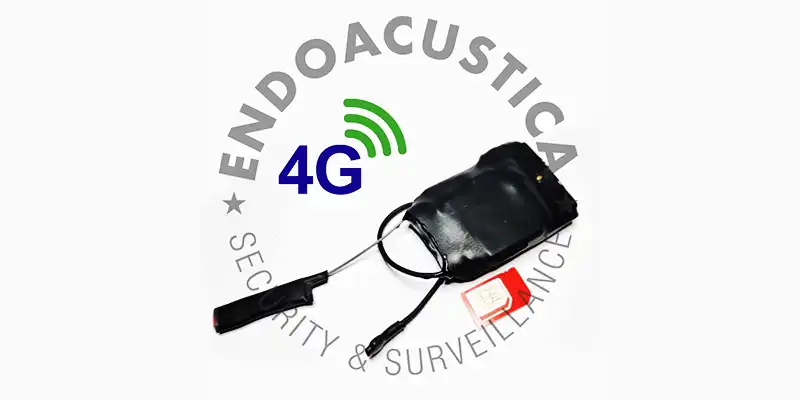
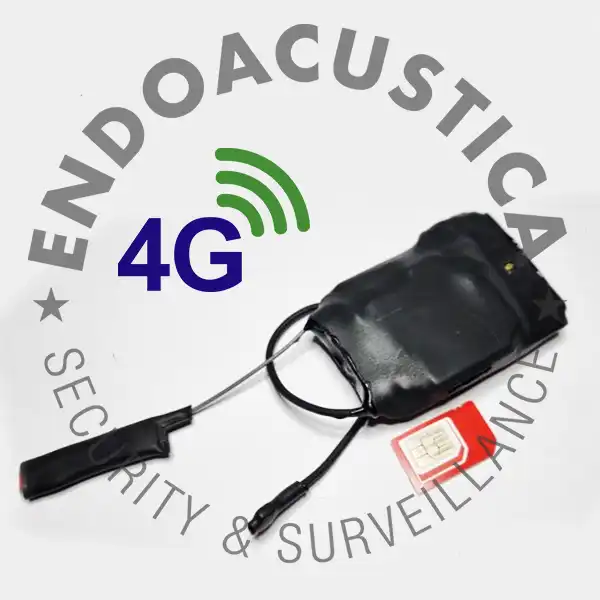
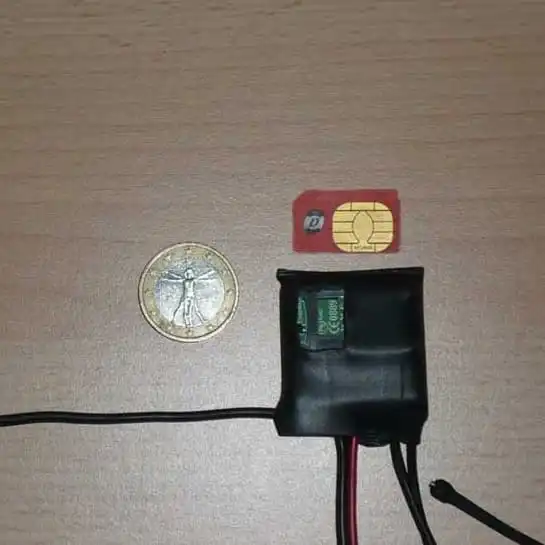
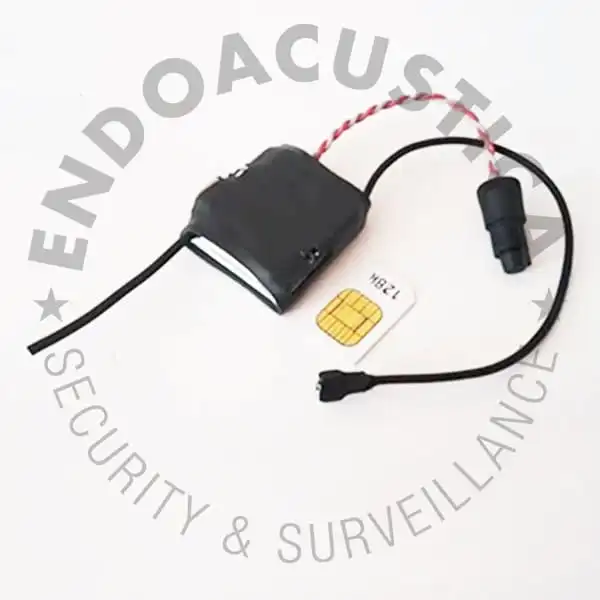
Professional GSM listening devices, also known as GSM bugs, use cellular networks to transmit live audio over long distances. With a compatible SIM card installed, the device can be called remotely from virtually anywhere, as long as cellular coverage is available at its location.
Endoacustica Europe offers professional GSM bugs for different operational requirements, including compact battery-powered models, long-life devices, systems with VOX voice activation or motion sensors, solutions for vehicles, and listening devices concealed inside everyday objects. The right model depends on the required battery life, power source, microphone sensitivity, installation environment and activation features.
Professional GSM listening devices, also known as GSM bugs, use cellular networks to transmit live audio over long distances. With a compatible SIM card installed, the device can be called remotely from virtually anywhere, as long as cellular coverage is available at its location.
...
Endoacustica Europe offers professional GSM bugs for different operational requirements, including compact battery-powered models, long-life devices, systems with VOX voice activation or motion sensors, solutions for vehicles, and listening devices concealed inside everyday objects. The right model depends on the required battery life, power source, microphone sensitivity, installation environment and activation features.
Read more

4G/LTE Audio Bug - DSP and Knowles Microphone
PIXEL-4G uses 4G/LTE cellular networks for remote audio monitoring. Its DSP and Knowles microphone provide clear audio even in noisy environments and vehicles, while the built-in inertial sensor enables automatic activation when movement is detected.

Professional GSM Bug for Cars with DSP
GSM-001 is a compact GSM bug designed for remote listening in cars and other environments. Its DSP improves audio clarity and reduces interference, while remote controls allow the device settings to be configured from a distance.

Programmable GSM Listening Device with DSP
NANO-BUG is a compact GSM listening device that can be configured remotely via SMS. It features a DSP processor and built-in battery, making it suitable for quick installations in vehicles and indoor environments.

Voice-Activated GSM Bug with GPS
GSM-BUG combines remote audio monitoring with GPS location tracking. Voice activation and vibration detection can automatically trigger specific functions when sound or movement is detected.

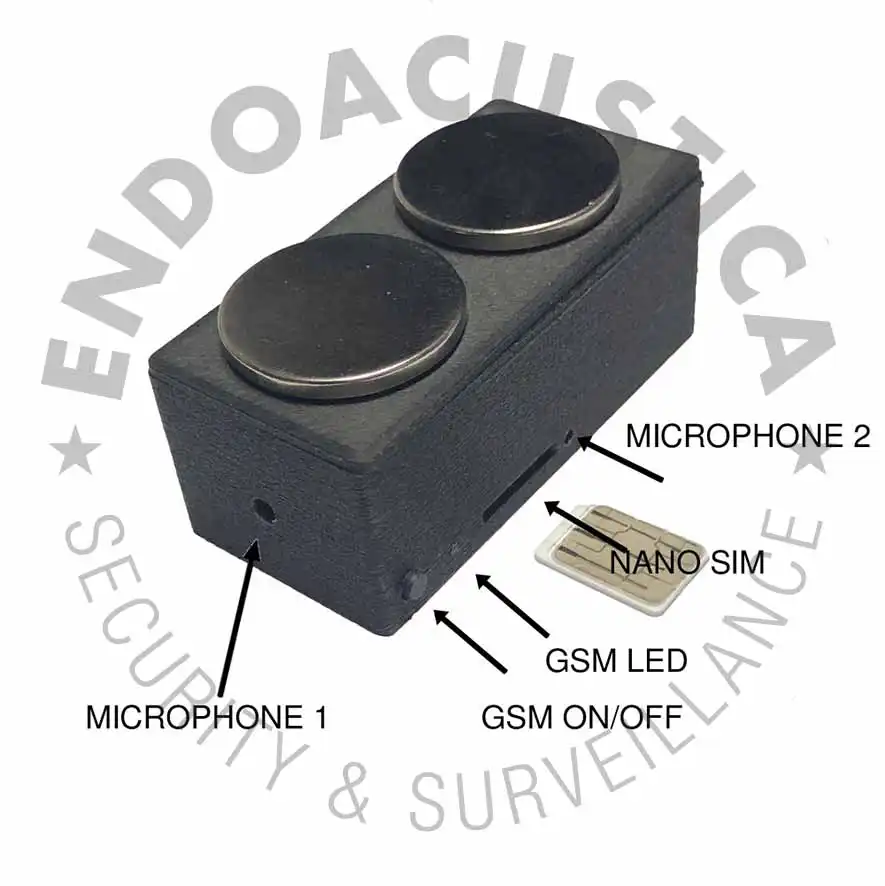
Dual-Microphone GSM Listening Device with DSP
GSM-002 features two amplified microphones and DSP processing for clear audio in vehicles and indoor environments. It can be temporarily powered down via SMS and automatically reactivated after a preset interval.

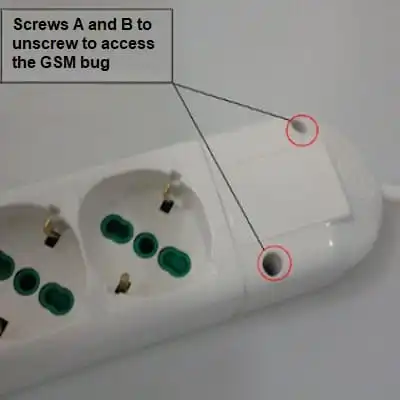
Power Strip with Hidden GSM Listening Device
SPY-SOCKET conceals a GSM listening device inside a fully functional power strip. Its Knowles microphone can capture audio from up to 10 meters (33 ft), while continuous AC power eliminates the operating-time limits of a battery-powered device.

GSM Listening Device for Cars with GPS & Recorder
GPS-MULTITASK combines GSM remote listening, GPS tracking and audio recording in one vehicle device. It features a long-life battery, SMS-controlled shutdown and automatic reactivation after a preset interval.

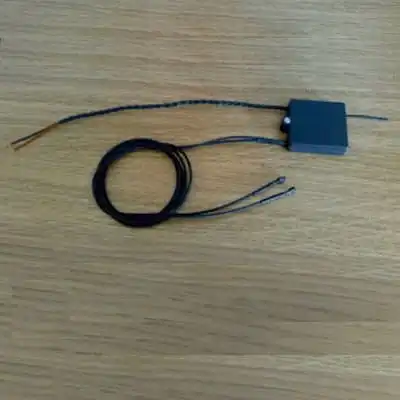
Hidden GSM Listening Device in PIR Motion Sensor
SPY-PIR conceals a GSM audio monitoring system inside a PIR motion sensor commonly used in alarm systems. Direct 12 VDC power provides continuous operation without relying on the limited runtime of an internal battery.

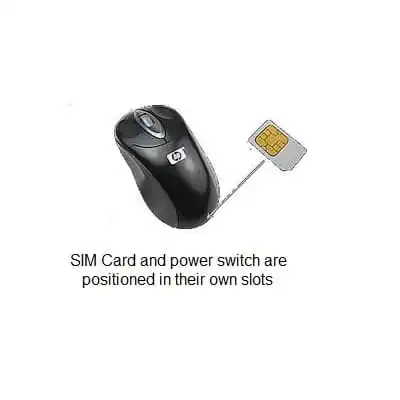
Computer Mouse with Hidden GSM Bug
MOUSE-SPY combines a fully functional optical mouse with a professional GSM audio monitoring system. It features a high-sensitivity amplified microphone, voice activation, remote SMS configuration and a rechargeable battery.

GSM Bug Built into a Power Adapter
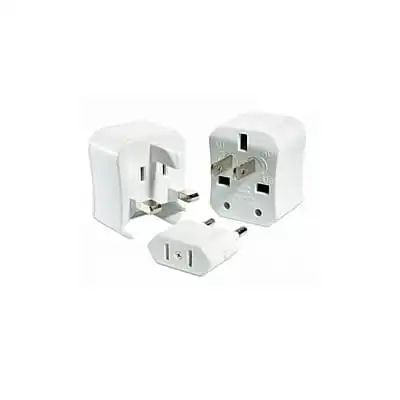
SPY-MPLUG houses a GSM audio monitoring system inside a fully functional multi-outlet power adapter. Direct AC power allows continuous operation, while remote SMS commands provide access to device settings.

Smoke Detector with Concealed GSM Bug
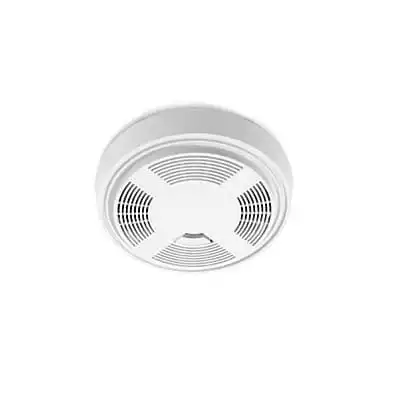
GSM-SENSOR conceals a quad-band GSM listening device inside a standard smoke detector housing. Its high-sensitivity microphone captures clear ambient audio, which can be monitored remotely through the cellular network.

Wall Clock with GSM Audio Monitoring System
GSM-WCLOCK houses a quad-band GSM listening device inside a standard wall clock. Its high-sensitivity Knowles microphone provides clear sound capture, with audio transmitted remotely through the cellular network.

Calculator with Concealed GSM Bug
GSM-CALC houses a GSM audio monitoring system inside a fully functional desktop calculator. It can be activated remotely by SMS or phone call and operates on battery power with additional support from the built-in solar panel.

Desk Lamp with Hidden GSM Listening Device
GSM-LAMP conceals a quad-band GSM audio monitoring system inside a desk lamp. Remote listening can be activated by calling the device or through voice activation, with audio transmitted over the cellular network.

Custom GSM Listening Device Installations
We can build GSM listening systems into selected everyday objects and electronic devices supplied or chosen by the customer. Each custom installation is evaluated according to available space, power supply, microphone and antenna placement.
How to Choose a GSM Listening Device
Choosing a professional GSM listening device depends on where and how it will be used. Before selecting a model, consider the available cellular network, required operating time, power source, and the way the device needs to be activated.
Audio quality is equally important. Microphone sensitivity, DSP processing and proper microphone placement can make a significant difference, especially inside vehicles or in environments with high levels of background noise.
GSM, 4G/LTE and 5G Networks
The first factor to consider is cellular network coverage at the intended location. GSM models use cellular networks to transmit audio, while newer devices may also support 4G/LTE and 5G connectivity. The appropriate technology therefore depends on the networks available in the area and supported by the mobile carrier.
Battery Life and Power Supply
For temporary installations, a device with a built-in rechargeable battery may be sufficient. For longer operating periods, models with higher-capacity batteries or devices connected to a continuous power source are generally more suitable. Depending on the installation, power can be supplied by an electrical outlet or directly from a vehicle's electrical system.
GSM listening devices concealed inside power adapters, power strips, sensors or other powered equipment can operate continuously without the runtime limitations of a battery-only system.
Voice Activation and Motion Detection
Some GSM listening devices can activate automatically when they detect voices, sounds or movement. With VOX voice activation, for example, the device detects sound in the surrounding area and can alert the operator or automatically place a call to a preset number.
Models designed for vehicles may also include motion, vibration or inertial sensors that can detect when the vehicle is moved or starts moving.
These features allow the device to remain in standby when no activity is detected and activate only when needed, helping to reduce battery consumption.
Temporary Radio Shutdown
Some professional GSM listening devices can be temporarily powered down by SMS command, with a preset timer controlling when the device automatically switches back on.
While powered down, the device remains inactive and does not transmit over the cellular network. Once the programmed interval expires, it automatically restarts without requiring physical access. This feature is useful in professional applications when radio activity needs to be temporarily suspended and restored at a later time.
DSP and Microphone Sensitivity
Audio quality does not depend on the cellular network alone. A DSP processor can improve audio signal processing and reduce background interference, while a high-sensitivity microphone provides clearer capture of voices and sounds in the surrounding area.
These features are especially important inside vehicles, offices, large rooms and other locations where background noise, distance and microphone placement can affect overall audio quality.
Vehicle and Indoor Installations
When choosing a GSM listening device for a vehicle, factors such as available space, power supply, vibration and cabin noise should be considered. For indoor installations, microphone placement, cellular coverage and access to a suitable power source become particularly important.
For this reason, a device designed for use in a vehicle may not necessarily be the best choice for an office, home or other fixed installation.
Concealed GSM Listening Devices
When an installation requires the device to be housed inside another object, concealed GSM listening devices can be installed in power strips, power adapters, sensors, lamps, clocks and other everyday objects.
In these applications, it is important to consider not only the available internal space, but also the power supply, microphone placement, cellular reception and the physical characteristics of the object used for the installation.
Which GSM Listening Device Should You Choose?
| Type | Power Supply | Activation | Best Suited For |
|---|---|---|---|
| Compact | Built-in battery | Call / remote configuration | Temporary installations |
| VOX | Battery or external power | Voice activation | Locations with intermittent activity |
| Sensor-Activated | Battery or external power | Motion / vibration | Vehicles and specialized installations |
| Vehicle | Battery or vehicle power | Depends on model | Vehicle installations |
| Concealed | Battery or AC power | Depends on model | Indoor and fixed installations |
GSM, 4G/5G and Other Listening Technologies
Not all listening devices that use cellular networks rely on the same technology. Traditional GSM systems are primarily designed to transmit audio over cellular networks, while newer devices may support 4G/LTE and 5G connectivity and more advanced features. Compatibility depends on the cellular module, SIM card and networks available in the country where the device will be used.
Cellular networks are not the only option for remote listening. When the operator can remain within range of the transmitter, analog RF listening devices can provide direct radio transmission. For applications requiring greater transmission security, encrypted digital listening devices are also available. An overview of the different technologies can be found in our professional spy listening devices section.
For a more technical explanation of how cellular listening devices work, the differences between GSM, 3G, 4G/LTE and 5G, and the main components used in these systems, read our guide to GSM listening devices .
FAQ
A GSM listening device, often called a GSM bug, uses a cellular network to transmit live audio from virtually anywhere with cellular coverage. It typically includes a microphone and SIM card and can run on a built-in rechargeable battery or an external power source, depending on the model.
With traditional GSM models, the operator calls the phone number of the SIM card installed in the device. The device answers the call and transmits the audio captured by its microphone. More advanced models may also offer remote SMS configuration, voice activation, audio recording and other remote-control features.
The main difference is the cellular network technology used by the device. A listening device must be compatible with the networks and frequency bands available in the country where it will be used. Endoacustica Europe offers GSM systems as well as devices compatible with 4G/LTE and 5G networks, depending on the application and available cellular infrastructure.
Battery life depends on the model, battery capacity and how the device is used. Some GSM listening devices use rechargeable batteries, while others can be connected directly to AC power, a vehicle's electrical system or another external power source for extended operation.
On supported models, the temporary radio shutdown function allows the device to be powered down remotely by SMS and a timer to be set for automatic reactivation. While powered down, the device remains inactive and does not transmit over the cellular network. Once the preset interval expires, it automatically switches back on.
For vehicle installations, important factors include battery life, power supply, microphone sensitivity, background noise and vibration. Professional models may feature DSP processing, motion or vibration sensors, GPS tracking and automatic activation. The best choice depends on the vehicle, installation requirements and features needed.
Yes. Professional detection may involve physical inspection, radio spectrum analysis and the use of bug detectors and other specialized equipment. The most appropriate detection method depends on the technology used by the device and whether it is active or inactive at the time of the inspection.
The use of GSM listening devices and other audio surveillance systems is subject to applicable privacy, communications and interception laws. Before using a device, you should verify that the intended use is permitted under the laws of the country or jurisdiction where it will be operated. Endoacustica Europe products are intended exclusively for lawful use.