Endoacustica offers, Exclusive Customer Service and free Training



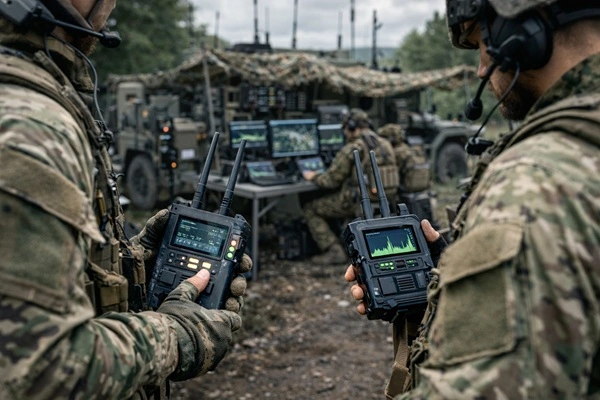
How to Choose the Best Signal Jammer: Complete Guide to Professional RF Jamming Devices
Signal jammers are devices designed to block GSM, GPS, WiFi and radio signals. In this guide, you will learn how to choose the right jammer based on your needs and technical requirements.
Endoacustica offers a selected range of signal jammers designed to block GSM, GPS, WiFi, Bluetooth and radio frequencies. These devices are used in security, investigations and communication protection to prevent unauthorized interception, tracking and recordings.
From protecting offices, meeting rooms and sensitive environments to advanced applications such as counter-surveillance and anti-drone systems.
In this guide, you will discover how to choose the best jammer by comparing types, power, coverage and real-world usage scenarios.
Endoacustica offers a selected range of signal jammers designed to block GSM, GPS, WiFi, Bluetooth and radio frequencies. These devices are used in security, investigations and communication protection to prevent unauthorized interception, tracking and recordings.
From protecting offices, meeting rooms and sensitive environments to advanced applications such as counter-surveillance and anti-drone systems.
In this guide, you will discover how to choose the best jammer by comparing types, power, coverage and real-world usage scenarios.
Browse our full range of GSM, GPS and WiFi signal jammers to find the right solution for your needs.
How Signal Jammers Work
A signal jammer works by transmitting interference on the same frequencies used by wireless devices, disrupting communication. This allows it to block phone calls, internet connections, GPS tracking and radio transmissions.
How to Choose the Best Signal Jammer
Signal jammers are not all the same: each device is designed to block specific frequencies and operate in different environments. To achieve effective results, it is essential to choose the right jammer based on the type of communication to block, the coverage range and the operational scenario.
From portable devices for immediate use to high-power fixed systems for professional environments, each solution is designed to meet specific needs in security, privacy and information protection.
📡 If you need to block mobile signals, WiFi and GPS, use these jammers
These signal jammers are designed to block mobile communications and wireless connections, preventing calls, data transmission and GPS tracking. They are ideal for meeting rooms, executive offices and sensitive environments where maximum security is required.
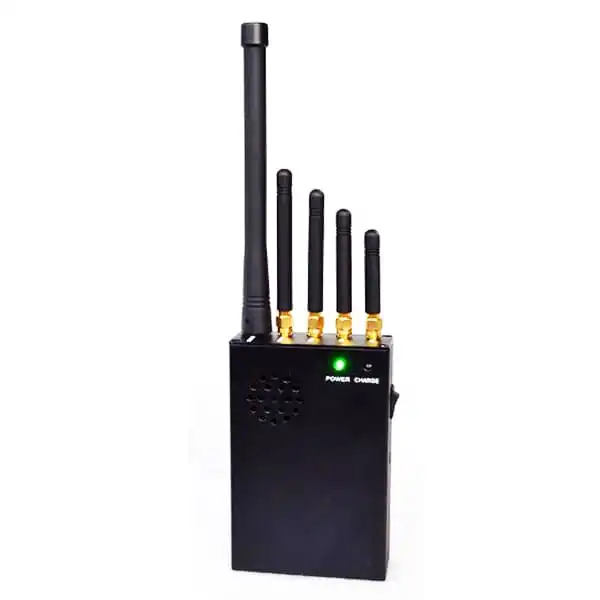

High-power fixed signal jammer
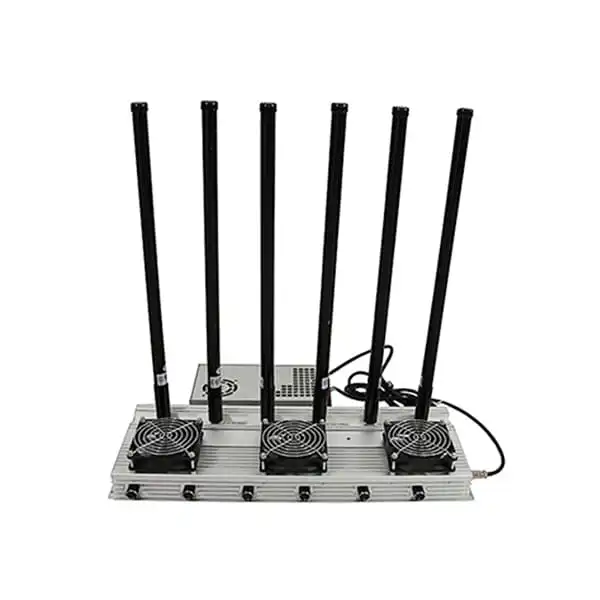
Extended coverage for professional environments, blocking GSM, 3G, 4G and WiFi signals.
High-power 12-band fixed jammer
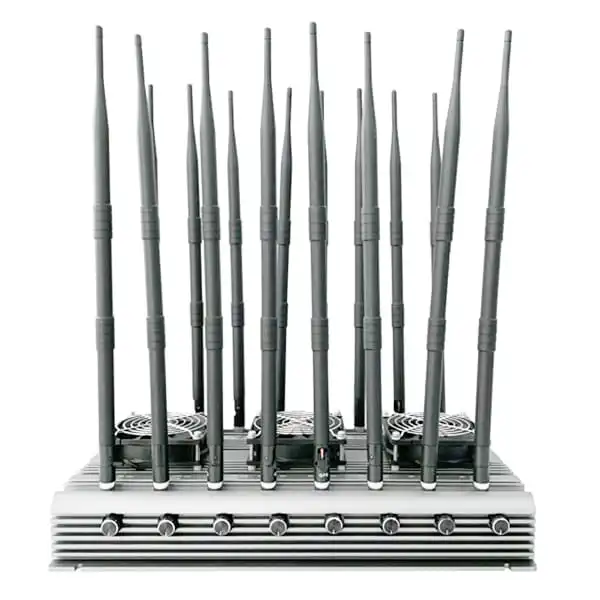
Advanced multi-band system designed to block GSM, 3G, 4G, WiFi, GPS, LoJack, VHF and UHF signals.
⭐⭐⭐⭐⭐
I used the portable multi-band jammer during confidential meetings. It blocks GSM and WiFi within seconds. Compact, easy to use and very reliable.
– Marc D.
⭐⭐⭐⭐⭐
The high-power 5G jammer is impressive. Tested in environments with many active devices, it blocks everything consistently, including the latest networks. Perfect for advanced security.
– Andrew L.
⭐⭐⭐⭐⭐
We installed the high-power fixed jammer in our offices. Coverage is stable and complete. No signal gets through anymore, ideal for protecting sensitive information.
– IT Manager
⭐⭐⭐⭐⭐
The 12-band fixed jammer is a complete solution. It handles both mobile signals and radio frequencies with great stability. Excellent for complex professional environments.
– Jack P.
🎤 Protection against microphones and recording devices
These devices are designed to prevent audio interception and unauthorized recordings by generating interference that makes hidden microphones, voice recorders, and audio capture systems ineffective. They are ideal for confidential meetings, corporate environments, and investigative scenarios where privacy and information security are critical.
Audio jammer for microphones
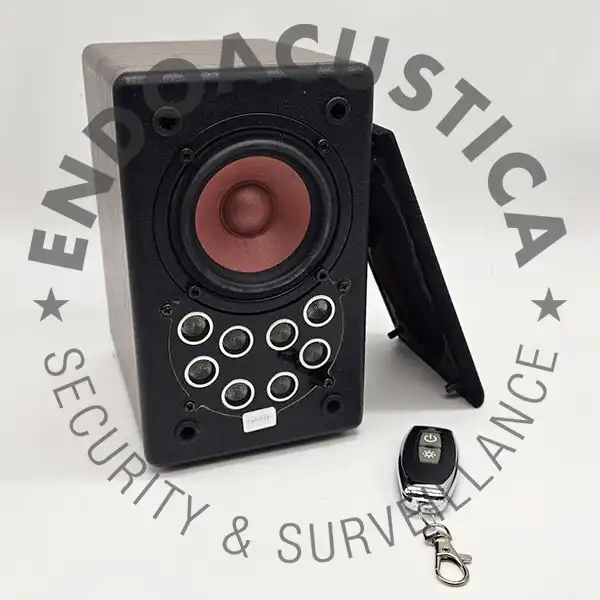
Active interference against microphones and recording devices.
Practical use: during sensitive meetings, it prevents conversations from being recorded, even with hidden devices.
Professional audio jammer system
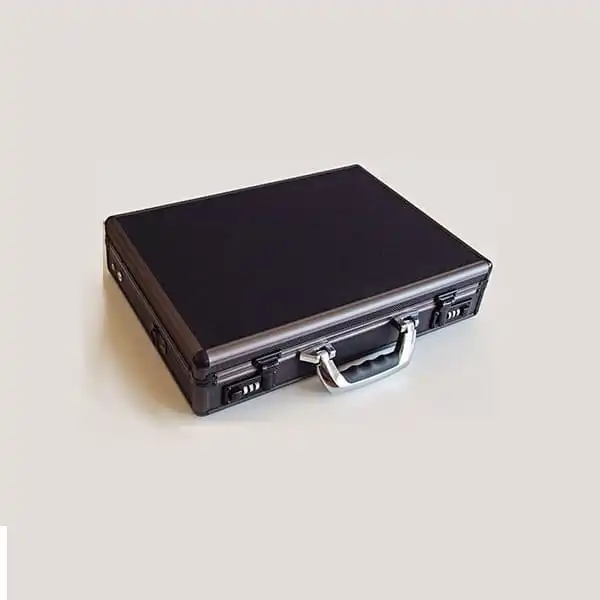
Designed for continuous, high-level audio protection in sensitive environments.
Real-world use: perfect for boardrooms, executive offices, or any space where conversations need to stay private at all times.
Professional microphone neutralizer
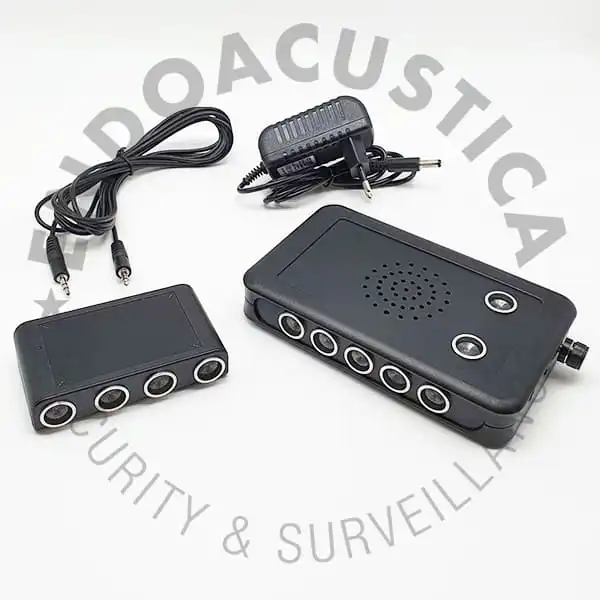
Designed to block hidden recording devices and prevent audio surveillance.
Real-world use: ideal for high-risk environments where protecting conversations from covert listening devices is critical.
Omnidirectional audio jammer
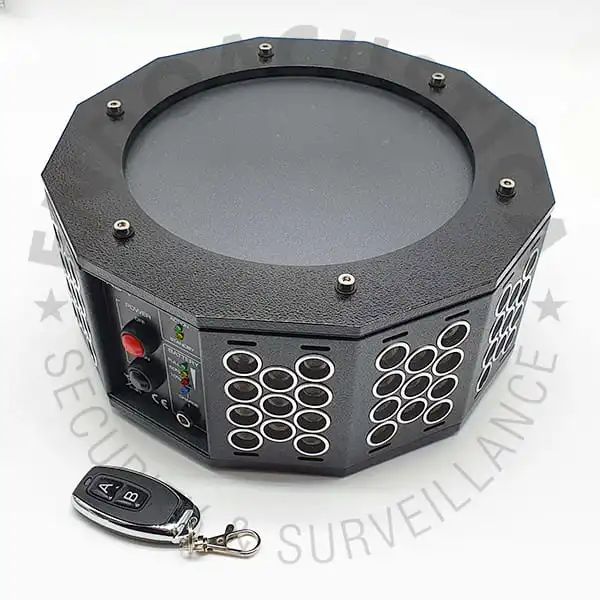
Provides full 360° audio protection against ambient microphones and recording devices.
Real-world use: ideal for open spaces or conference rooms where consistent coverage across the entire area is required.
⭐⭐⭐⭐⭐
I used the audio jammer during confidential meetings and the difference is immediate. Any recording becomes completely unusable. Simple, but incredibly effective.
– Michael D.
⭐⭐⭐⭐⭐
Very discreet system. Once it’s on, microphones can’t pick up clear audio anymore. Perfect for protecting sensitive conversations.
– Sarah T.
⭐⭐⭐⭐⭐
It takes a bit of positioning at first to get the best results, but once set up, it works flawlessly. Great protection against hidden recording devices.
– Daniel R.
⭐⭐⭐⭐⭐
We installed it in our conference room to protect sensitive discussions. Now we’re confident that even hidden devices won’t capture anything usable.
– Jessica S.
🚁 Anti-drone and perimeter security
Anti-drone systems are designed to detect, monitor, and neutralize UAVs (drones) operating in sensitive areas. These solutions are widely used in security, defense, and perimeter protection to prevent unauthorized surveillance, intrusion, or illicit activity.
Available technologies range from portable devices for rapid response to advanced detection systems for continuous airspace monitoring.
Portable anti-drone jammer (3 km range)

Long-range drone neutralization up to 3 km.
Real-world use: ideal for field operations where rapid response is required to stop incoming drones.
Handheld anti-drone jammer (GPS disruption)

Compact and directional device designed for targeted drone signal disruption.
Real-world use: simply aim at the drone to disrupt its GPS signal and quickly interrupt its operation.
Drone detection system
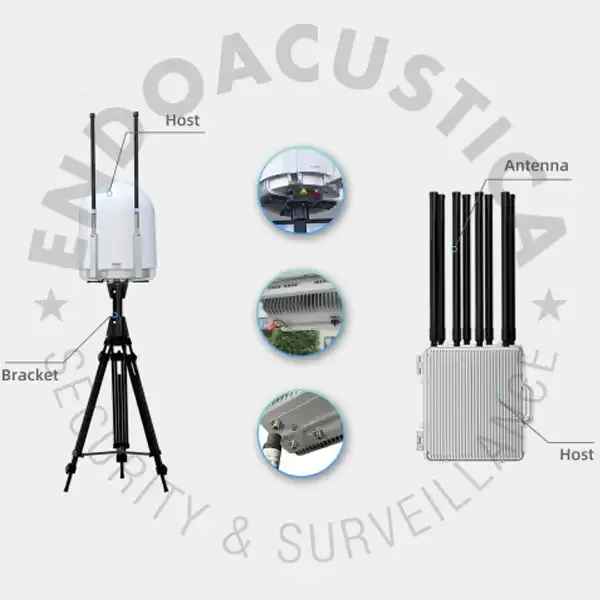
Real-time UAV detection and monitoring.
Real-world use: identifies drones before they enter a protected area, allowing early response and better control.
Professional UAV jammer
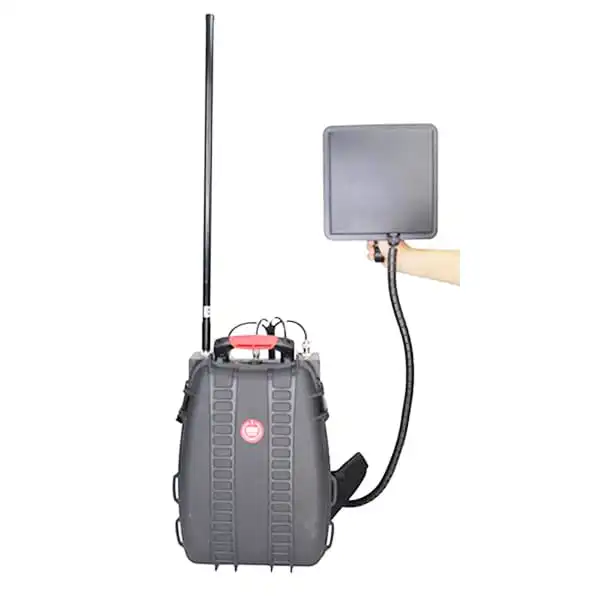
Advanced system for UAV signal disruption and control.
Real-world use: designed for perimeter protection in high-security environments where drone activity must be controlled or stopped.
⭐⭐⭐⭐⭐
I tested the long-range portable anti-drone system and it can neutralize the signal before the drone even gets close. Great for fast-response situations.
– David F.
⭐⭐⭐⭐⭐
The handheld anti-drone unit is surprisingly effective. Just aim it at the drone and the signal drops instantly. Simple and very practical in the field.
– Lucas S.
⭐⭐⭐⭐⭐
The drone detection system is very accurate. It takes a bit of setup at first, but once configured it identifies drones early and reliably.
– Matthew R.
⭐⭐⭐⭐⭐
The professional UAV jammer is a complete solution. We use it for perimeter security and it has significantly improved control over our airspace.
– Steven C.
📻 Radio frequency and technical communications
These jammers are designed to block radio signals across RF, VHF, and UHF bands, interrupting technical communications such as walkie-talkies, transmitters, and professional radio systems. They are widely used in security operations, investigative work, and industrial environments where full control over radio transmissions is required.
RF signal jammer
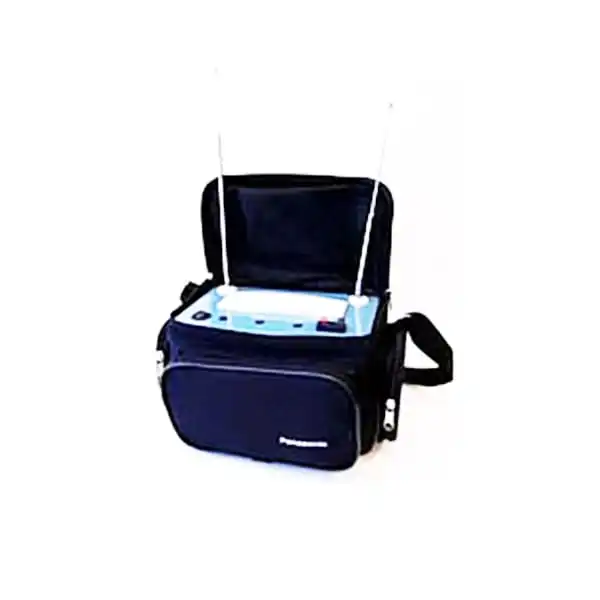
Designed to disrupt radio frequency transmissions across multiple bands.
Real-world use: prevents communication between radio devices in technical or operational environments.
Professional VHF / UHF jammer
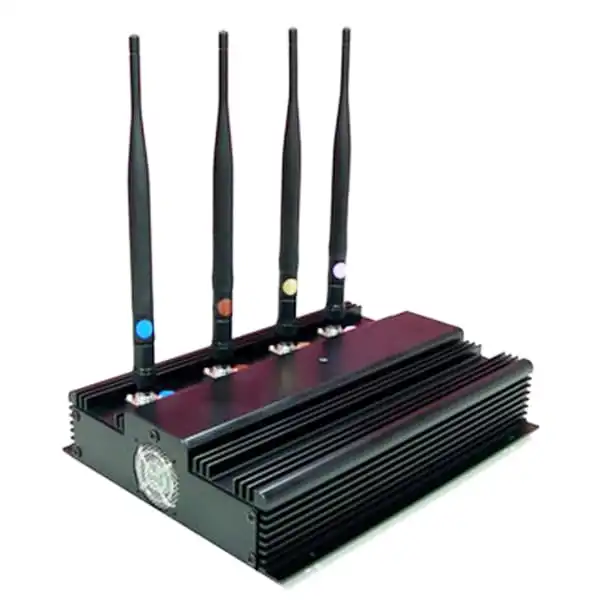
Blocks communication on VHF and UHF radio bands.
Real-world use: ideal for disabling walkie-talkies and professional radio systems in controlled environments.
⭐⭐⭐⭐⭐
Works great for blocking radio communications in complex environments. I tested it in a warehouse and all walkie-talkies stopped working instantly. Reliable and powerful.
– Andrew T.
⭐⭐⭐⭐⭐
We use it to shut down unauthorized radio communications. The signal is stable and coverage is consistent—perfect for operational environments.
– Mark B.
⭐⭐⭐⭐⭐
There’s a bit of a learning curve when selecting the right frequency bands, but once set up, it works flawlessly. Great for anyone working with professional radio systems.
– Emily R.
⭐⭐⭐⭐⭐
Compared to other RF devices, this jammer is much more stable. It completely blocks communications without residual interference. A truly professional solution.
– David C.
🧳 Portable jammers
Portable jammers are designed for maximum mobility and instant deployment, allowing you to block wireless signals in any environment without permanent installation. They are ideal for rapid response, field operations, and investigative activities.
Portable jammer case
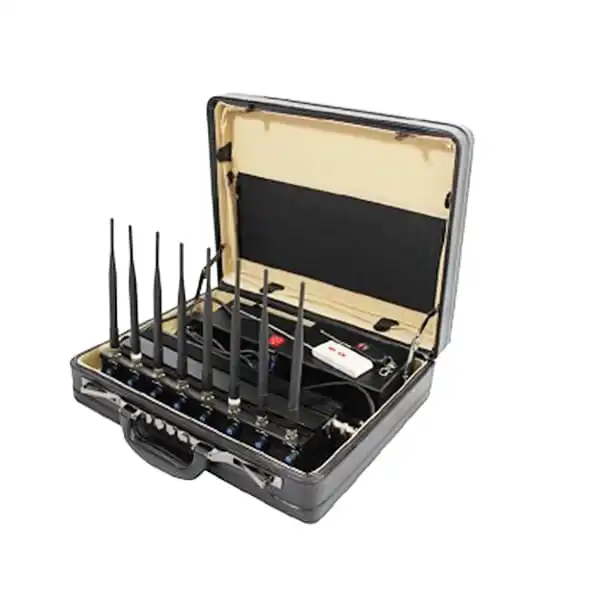
Ready-to-use portable system for blocking mobile and radio signals.
Real-world use: ideal for field operations where immediate action is required without any setup.
All-in-one 12-band jammer

Full multi-frequency coverage in a compact, portable device.
Real-world use: perfect when you need to block multiple signals at once during mobile operations.
⭐⭐⭐⭐⭐
I can finally run confidential meetings anywhere without worrying about leaks. Just turn it on and all communications are blocked instantly. Simple and effective.
– Laura G.
⭐⭐⭐⭐⭐
I use it in field operations and it’s always reliable. Even in complex environments, it blocks signals without any issues. Battery life is solid too.
– Melissa M.
⭐⭐⭐⭐⭐
At first I thought it might be complicated, but after a quick setup it became very intuitive. Now I use it regularly for targeted signal blocking.
– Mark B.
⭐⭐⭐⭐⭐
Compact but very powerful. Easy to carry and ready to use right away. A great solution for anyone needing professional-grade mobile protection.
– John T.
🏢 Fixed installations
Fixed jammers are designed to provide continuous coverage and reliable protection in professional environments. Unlike portable models, these systems are permanently installed and can block signals across large areas, making them ideal for executive offices, conference rooms, sensitive facilities, and high-security environments.
12-band high-power jammer

Multi-signal system capable of blocking mobile networks and radio frequencies simultaneously.
Real-world use: ideal for environments where all wireless communications must be fully controlled at all times.
Long-range jammer

Extended coverage designed to block signals across large areas.
Real-world use: ideal for perimeter protection or large-scale environments requiring wide signal control.
⭐⭐⭐⭐⭐
Installed in our office to protect confidential meetings. Coverage is complete and stable—no signals get through. A truly professional solution.
– Julia R.
⭐⭐⭐⭐⭐
We use it across a multi-room facility and it blocks all communications without interruption. Great for continuous security and full control.
– Victor T.
⭐⭐⭐⭐⭐
You need to carefully plan the positioning at first to cover the entire area, but once installed, the system is extremely stable and effective.
– Martha C.
⭐⭐⭐⭐⭐
Very powerful and reliable system. Once it's running, we no longer worry about unauthorized communications. A solid investment for sensitive environments.
– Anthony L.
💣 Advanced systems and high-security solutions
These systems represent the most advanced level of signal control technology, designed for high-security environments and complex operational scenarios. They are used to manage and control radio signals in critical situations where maximum reliability and performance are required.
Portable advanced signal control system

Portable system designed for precise radio signal control and management.
Real-world use: ideal for rapid deployment in complex operational environments.
High-power signal control system
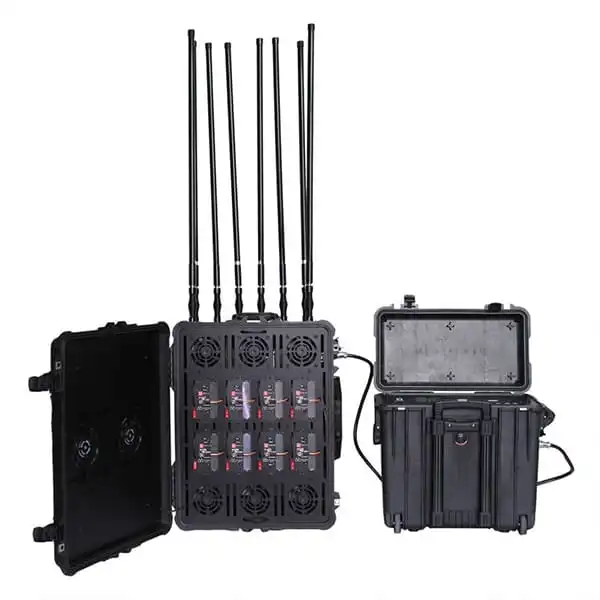
High-performance system designed for full-spectrum signal management.
Real-world use: used in high-security environments requiring maximum signal control.
Multi-band signal control system
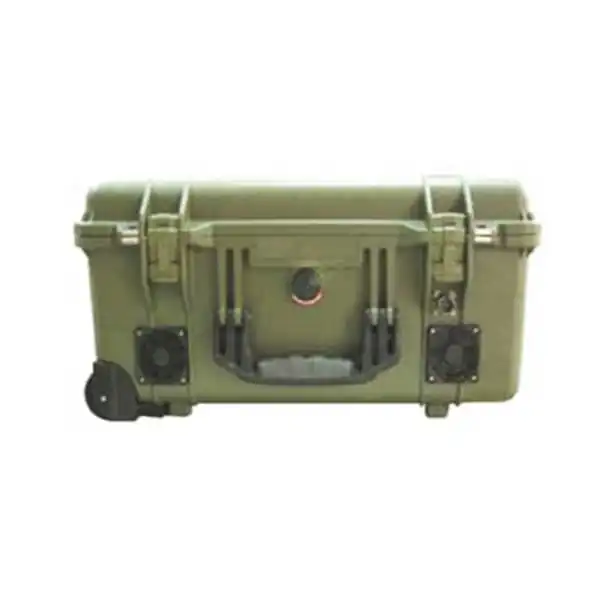
Versatile solution for managing signals across UHF and cellular bands.
Real-world use: ideal for environments where selective signal control is required.
🔍 Detection and integration
Detection devices help identify active signals and optimize system performance. When integrated with signal control systems, they enable more precise and targeted communication management.
Cellular signal detector (jammer integration)

Detects active mobile signals and integrates with signal control systems.
Real-world use: activates signal control only when needed, improving efficiency and precision.
Jammer detection device

Identifies the presence of active signal control systems.
Real-world use: useful for monitoring environments and detecting external signal interference.
Explore our full range of professional jammers
The products featured in this guide are just a selection of what’s available. Endoacustica offers a complete range of signal jammers and communication control systems designed to meet specific needs in security, investigation, and communication protection.
To view all available models, compare technical specifications, and find the right solution for your application, visit the full product page.
A jammer emits interference signals on the same frequencies used by devices such as mobile phones, WiFi, or GPS. This prevents communication between devices, blocking calls, data transmission, and tracking.
The best jammer depends on your specific use case. Portable models are ideal for mobility and quick deployment, while fixed systems provide continuous coverage in professional environments. The key is choosing based on the type of signal you need to manage (GSM, GPS, WiFi, or radio).
Jammers can affect a wide range of signals, including cellular networks (2G, 3G, 4G, 5G), GPS, WiFi, Bluetooth, and radio communications such as VHF and UHF. Coverage depends on the device and its power.
The effective range varies depending on the power and type of device. Portable units typically cover a few meters up to around 20 meters, while high-power fixed systems can cover much larger areas.
Some specialized systems are designed to interfere with drone control and GPS signals, causing loss of connection or triggering automatic landing. These are typically part of advanced anti-drone solutions.
The use of signal jammers is regulated by local laws and may only be permitted in specific professional or authorized contexts. Always check applicable regulations before use.
The main difference comes down to power, coverage, and usage.
Portable jammers are compact and easy to deploy, making them ideal for mobile use and temporary setups. They typically cover smaller areas and are perfect for quick interventions.
Fixed jammers, on the other hand, are high-power systems installed permanently. They provide continuous coverage over larger areas and can manage multiple signals simultaneously, making them ideal for offices, secure facilities, and high-security environments.
